
Can I machine wash a canvas work apron or does it need special care?
Quick Answer: Yes, you can machine wash a canvas apron — but how you wash it determines whether it lasts six months or six years. Most canvas work aprons tolerate cold water and mild detergent on a gentle cycle, but the real question is whether your apron's specific material is built to survive the chemicals, heat, and frequency your profession demands. If you're working with bleach, hair color, or heavy stains daily, standard canvas care won't cut it — you need either 100% organic cotton stretch denim engineered for breathability and stain resistance, or 100% bleach-proof vegan leather that wipes clean in seconds without ever touching a washing machine.
Why "canvas" is too vague to give you useful washing instructions
Canvas isn't a single material — it's a weave category that includes cotton duck, poly-cotton blends, waxed canvas, and synthetic hybrids. A barber apron made from untreated cotton canvas behaves completely differently in the wash than a bartender apron with a water-resistant coating or a salon apron cut from stretch denim canvas.
Here's what most manufacturers won't tell you: the finish matters more than the fiber. Waxed canvas loses its water resistance in hot water. Poly-cotton blends pill and fade. Cheap dyes bleed. And if your apron has leather straps, metal hardware, or glued pockets, a standard wash cycle can destroy those components long before the fabric itself wears out.
Before you toss any work apron in the machine, check the care label and ask two questions: What is this material treated with? and What am I trying to remove?
The machine wash canvas apron method that actually works
If your apron is untreated cotton or cotton-poly canvas — the kind most chef aprons, gardening aprons, and basic shop aprons use — follow this protocol:
- Pre-treat stains immediately: Blot (don't rub) fresh stains with cold water and a drop of dish soap. Hair dye, oil, and wine set fast.
- Turn inside-out: Protects the outer surface and any screen-printed logos from abrasion.
- Cold water, gentle cycle: Heat shrinks cotton and sets oil-based stains. Use a mild, fragrance-free detergent — no bleach unless the label explicitly says "bleach-safe."
- Skip the fabric softener: It coats fibers and reduces absorbency, which defeats the purpose of a canvas apron.
- Air-dry or tumble low: High heat shrinks cotton up to 5%. Hang-dry preserves shape and extends lifespan.
Frequency matters. Washing after every shift accelerates wear. Spot-clean between full washes whenever possible — a damp microfiber cloth handles most surface debris.

Why hairstylists, colorists, and barbers need more than canvas
Standard canvas aprons fail in salon and barbershop environments for one reason: they absorb and hold chemical stains. Bleach, toner, permanent color, and developer soak into untreated cotton fibers. Once embedded, those stains don't wash out — they oxidize, discolor, and weaken the fabric.
A hairstylist apron or barber apron worn during color services needs either a stain-resistant weave or a non-porous surface. That's why J. Clark Designed builds two distinct material systems for professionals:
| Material | Best For | How to Clean | Durability |
|---|---|---|---|
| 100% Organic Cotton Stretch Denim | Cutting, dry styling, barbering, general salon work | Machine wash cold, tumble low or air-dry | Softens with age, stain-resistant weave, breathable |
| 100% Bleach-Proof Vegan Leather | Color, bleach, toner — any chemical-heavy service | Wipe clean with damp cloth (never machine wash) | Bleach and color literally wipe off in seconds, never stains |
If you're hand-painting balayage or doing back-to-back bleach-outs, a canvas apron you have to machine-wash after every client isn't practical. You need a surface you can wipe down between chairs.
Cross-back straps and why fit affects washability
Here's a detail most apron brands ignore: adjustable cross-back straps last longer in the wash than fixed-length neck straps. Around-the-neck styles put tension on a single stitched seam every time you bend, lift, or twist. That seam is the first place canvas aprons tear after repeated washing.
Cross-back aprons — like every style J. Clark Designed makes — distribute weight across the shoulders and upper back. The straps adjust via metal sliders or sewn loops, so you can customize the fit without stressing a single weak point. When you machine wash a cross-back hairdresser apron, the straps stay secure because the load is balanced, not concentrated.
This isn't cosmetic. It's engineering. A well-fitted apron moves with you, which means less friction, less pilling, and fewer stress tears after 50+ wash cycles.

What "bleach-proof" actually means (and when to skip the washing machine entirely)
If you work behind the chair doing color, balayage, or bleach services, you've been lied to by apron brands that call poly-coated canvas "bleach-resistant." Resistant means it delays staining. Bleach-proof means the chemical never penetrates the material in the first place.
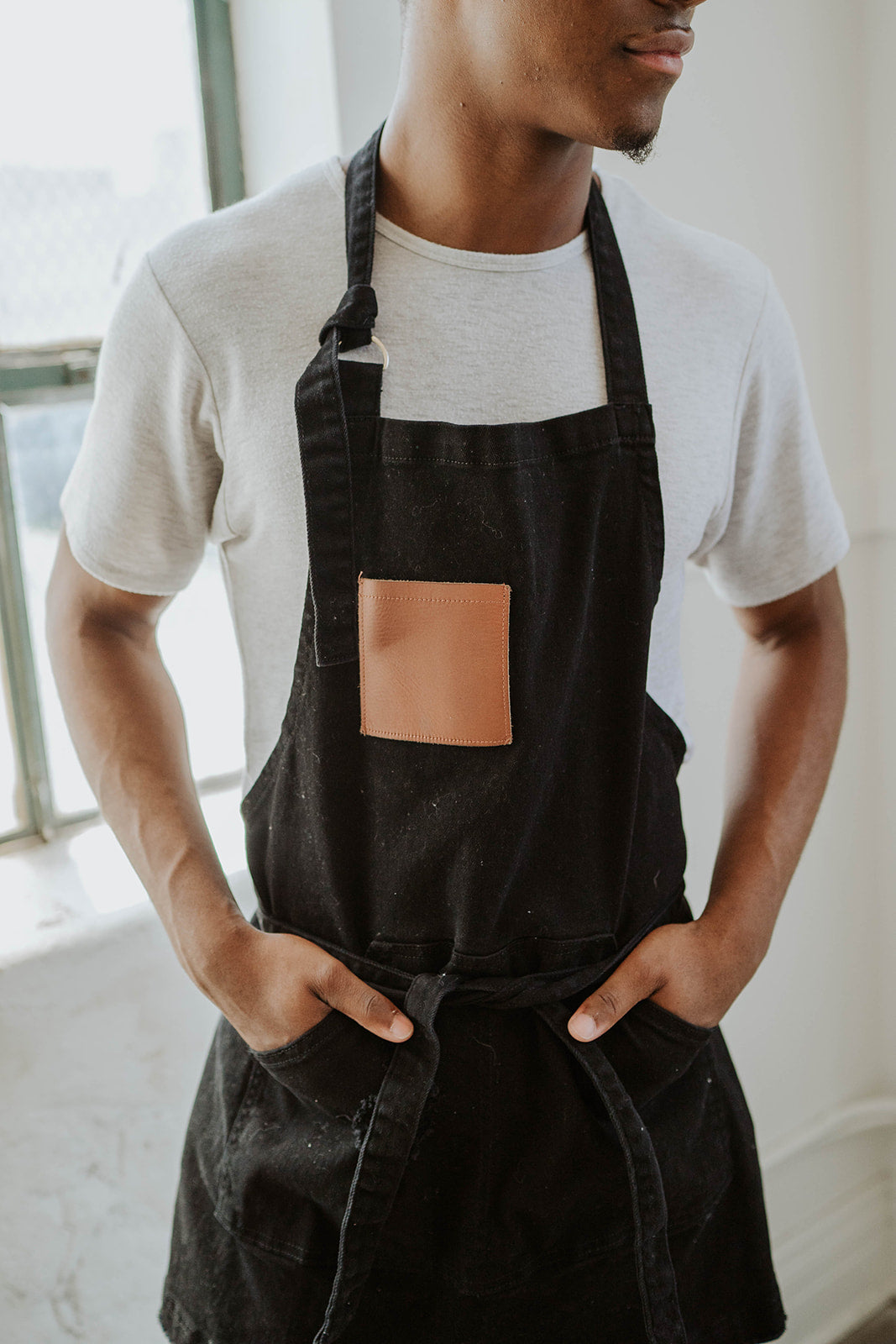
J. Clark Designed's 100% bleach-proof vegan leather aprons — like the Full Black Leather and Cocoa Brown Leather — use a non-porous surface engineered so bleach, toner, and permanent color sit on top instead of soaking in. A damp microfiber cloth or paper towel wipes the stain away in seconds. No washing machine. No oxidation. No permanent discoloration.
You care for these aprons the way you'd care for a leather jacket: wipe clean after use, condition every few months if desired, and store flat or hung. Putting bleach-proof leather in a washing machine damages the material and voids any warranty — it's unnecessary and counterproductive.
For colorists, this is the difference between owning three aprons you cycle through the wash and owning one apron that lasts years without ever needing laundering.
Denim aprons: the middle ground between canvas and leather
Not every professional needs a wipe-clean surface. If you're a barber doing fades and dry cuts, a tattoo artist, a florist, or an esthetician, you want something breathable, machine-washable, and durable enough to handle daily wear without stiffness.
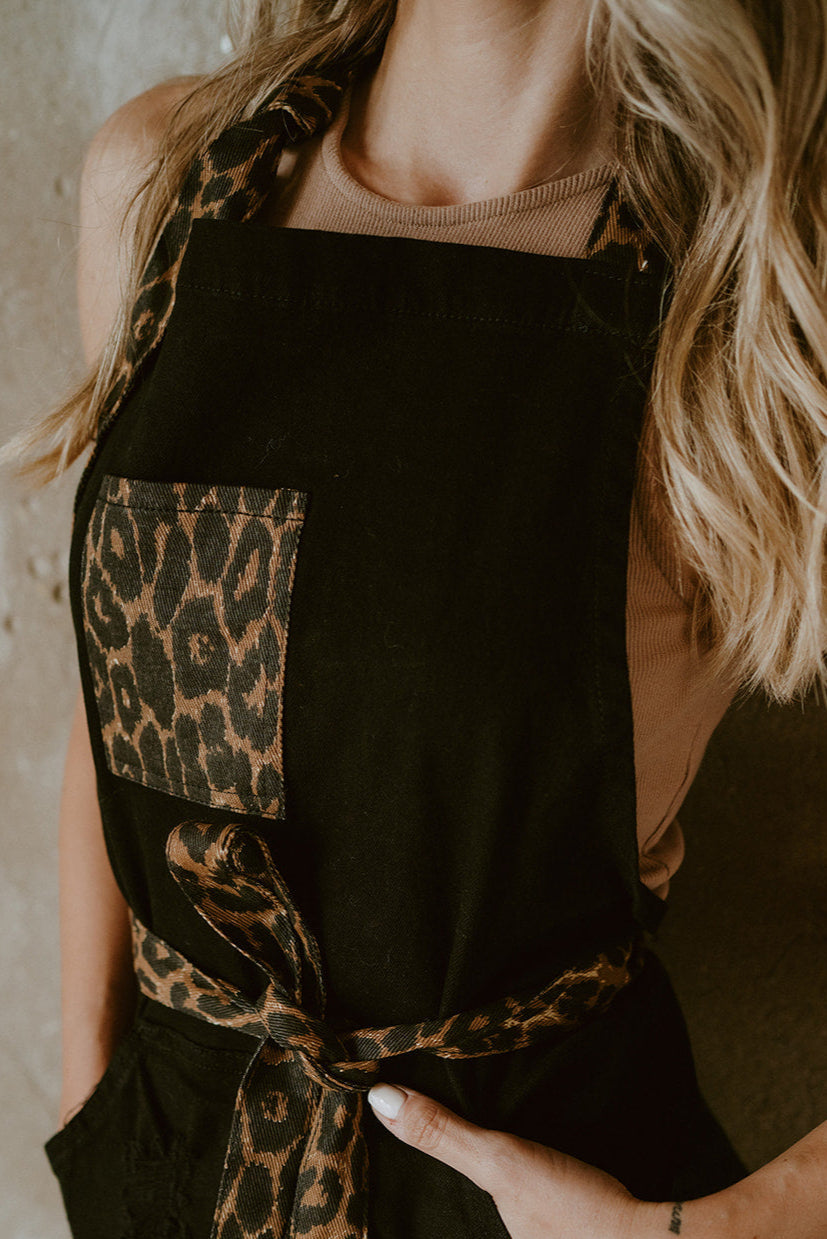
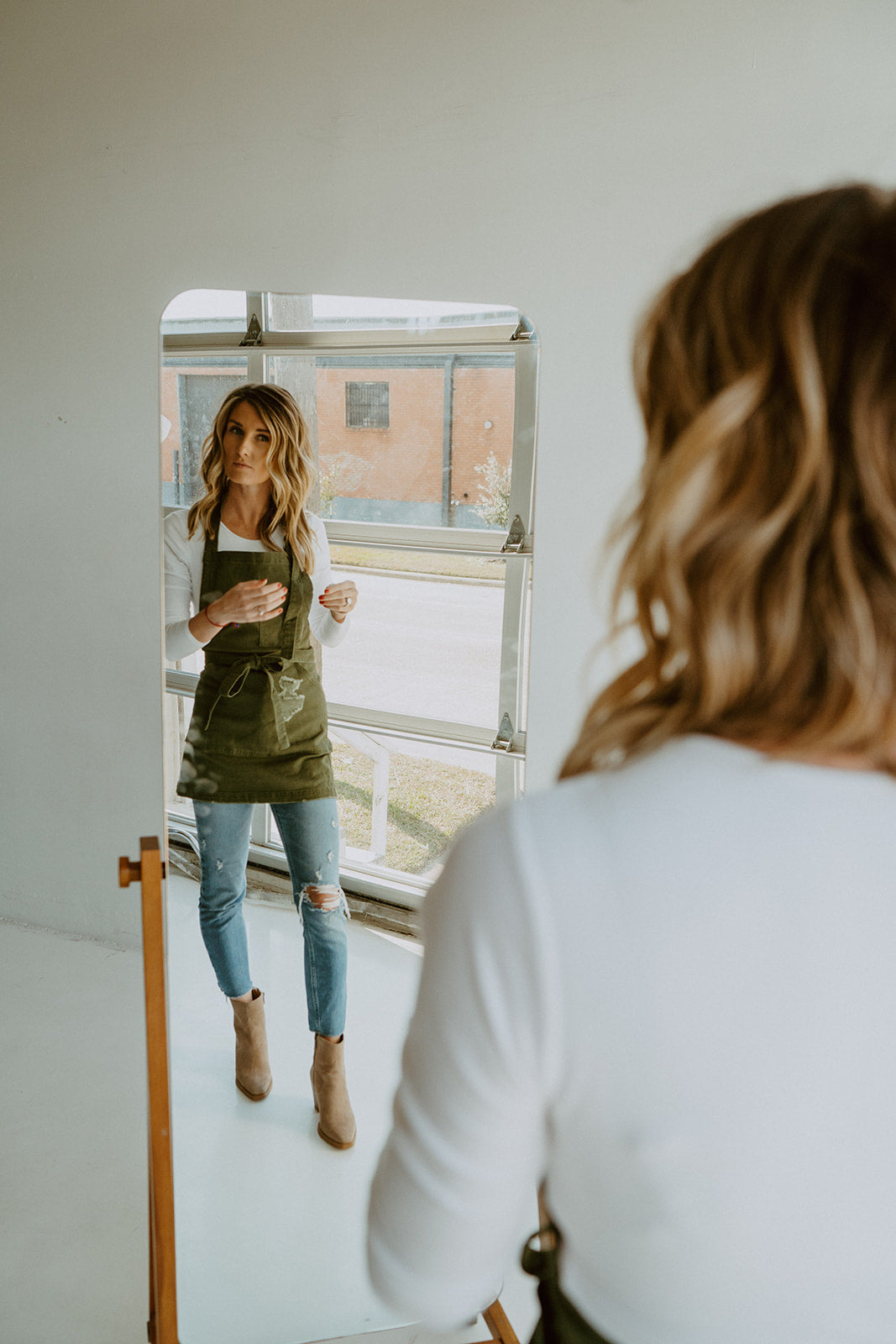
100% organic cotton stretch denim — the base fabric for styles like Black Acid Washed Denim, Navy Pinstripe, and Olive Green — gives you that balance. The stretch weave moves with you. The tight denim construction resists pilling and snagging. And because it's organic cotton with no synthetic coating, it's fully machine-washable using the cold-water method outlined above.
Denim aprons soften with age. Where canvas can get stiff or scratchy after repeated washing, quality denim breaks in like your favorite jeans. The stain-resistant weave means everyday debris — hair clippings, dirt, light cosmetics — shakes off or spot-cleans easily. You're not washing it after every shift unless you want to.

When to replace instead of wash
Even the best salon apron or barber apron has a lifespan. If you're seeing any of these signs, it's time to replace — no amount of careful washing will fix structural failure:
- Frayed or torn pocket seams: Deep front pockets hold shears, clippers, and phones. Once the stitching fails, the pocket becomes a liability.
- Permanent chemical stains: If bleach or color has discolored the fabric and won't lift after washing, the fibers are compromised.
- Lost adjustability: Stretched-out straps or broken hardware mean the apron no longer fits correctly, which causes neck and shoulder strain.
- Persistent odor: If your apron smells even after washing, bacteria or mildew has colonized the fibers. Toss it.
A well-made work apron should last 1–3 years of daily professional use. J. Clark Designed aprons — backed by 4.8/5 stars from 1,444+ verified reviews — routinely outlast that benchmark because the materials, stitching, and hardware are chosen for longevity, not cost-cutting.
The Bottom Line
You can machine wash a canvas apron if it's made from untreated cotton or cotton-poly blend — use cold water, mild detergent, gentle cycle, and air-dry to preserve the fabric. But if you're a hairstylist, colorist, or barber working with chemicals daily, standard canvas won't survive the workload. You need either 100% organic cotton stretch denim engineered to resist stains and soften with age, or 100% bleach-proof vegan leather that wipes clean in seconds without ever needing a washing machine.
Cross-back straps, reinforced pockets, and adjustable fit aren't luxuries — they're the features that let an apron survive hundreds of wash cycles and thousands of hours behind the chair. Choose the material that matches your work, follow the care protocol that preserves it, and replace it when the structure fails.
The right apron isn't an expense. It's the tool that protects everything else you own.
FAQ
Can you put a denim apron in the dryer?
Yes, but use low heat or air-dry to prevent shrinkage. High heat shrinks cotton denim up to 5% and weakens elastic fibers in stretch denim. If your apron fits perfectly now, hang-drying preserves that fit long-term.
How do you get hair dye out of a canvas apron?
Blot immediately with cold water and dish soap — don't rub, which pushes dye deeper into the fibers. If the stain has set, soak the apron in cold water with oxygen bleach (not chlorine) for 30 minutes, then machine wash. Permanent color and bleach won't fully lift from untreated canvas, which is why colorists need bleach-proof leather aprons that wipe clean instead.
How often should I wash my salon apron?
Spot-clean daily, machine-wash weekly (or after heavy chemical use). Washing after every single shift accelerates wear. For color-heavy services, a bleach-proof leather apron eliminates the washing cycle entirely — wipe it down between clients and you're done.
What's the difference between a barber apron and a chef apron?
Barber aprons and hairstylist aprons feature deep, reinforced front pockets sized for professional tools (shears, clippers, combs, phones) and use stain-resistant or bleach-proof materials to handle chemicals. Chef aprons prioritize heat resistance and grease repellency. Cross-back straps — standard in professional salon and barber aprons — distribute weight to prevent neck strain during 8+ hour shifts.
Explore the full collection at J. Clark Designed.
```

Leave a comment
This site is protected by hCaptcha and the hCaptcha Privacy Policy and Terms of Service apply.