
How to wash and care for a denim apron without ruining it
**Quick Answer:** Wash your denim apron inside-out in cold water on a gentle cycle, avoid bleach and fabric softeners, and hang to air-dry to preserve the fabric's integrity and color. For leather accents, spot-clean with a damp cloth and never submerge them. With proper care, a quality denim apron like those from J. Clark Designed will soften beautifully and last for years without fading or losing shape.
## Why Denim Aprons Need Different Care Than Regular Clothes
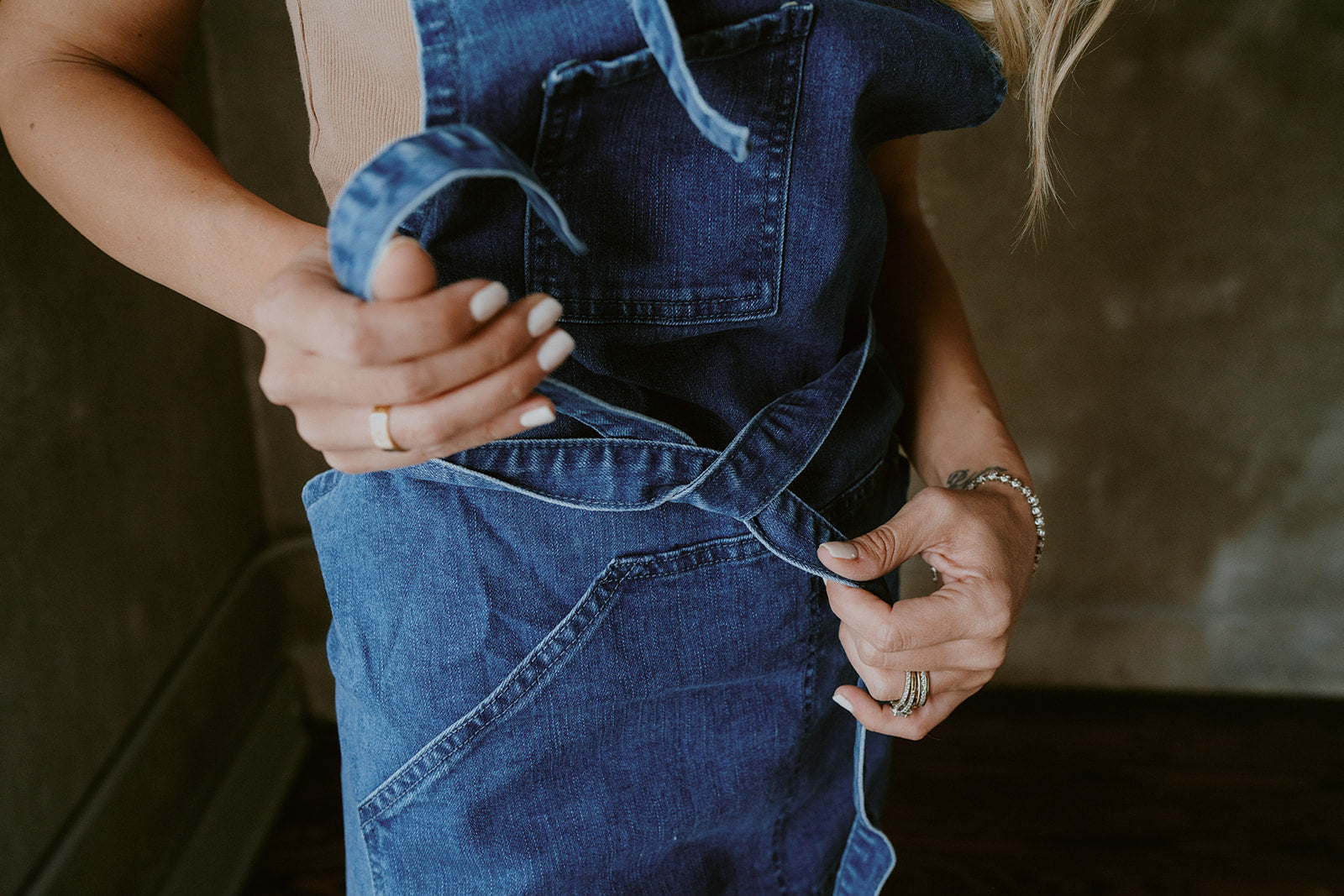
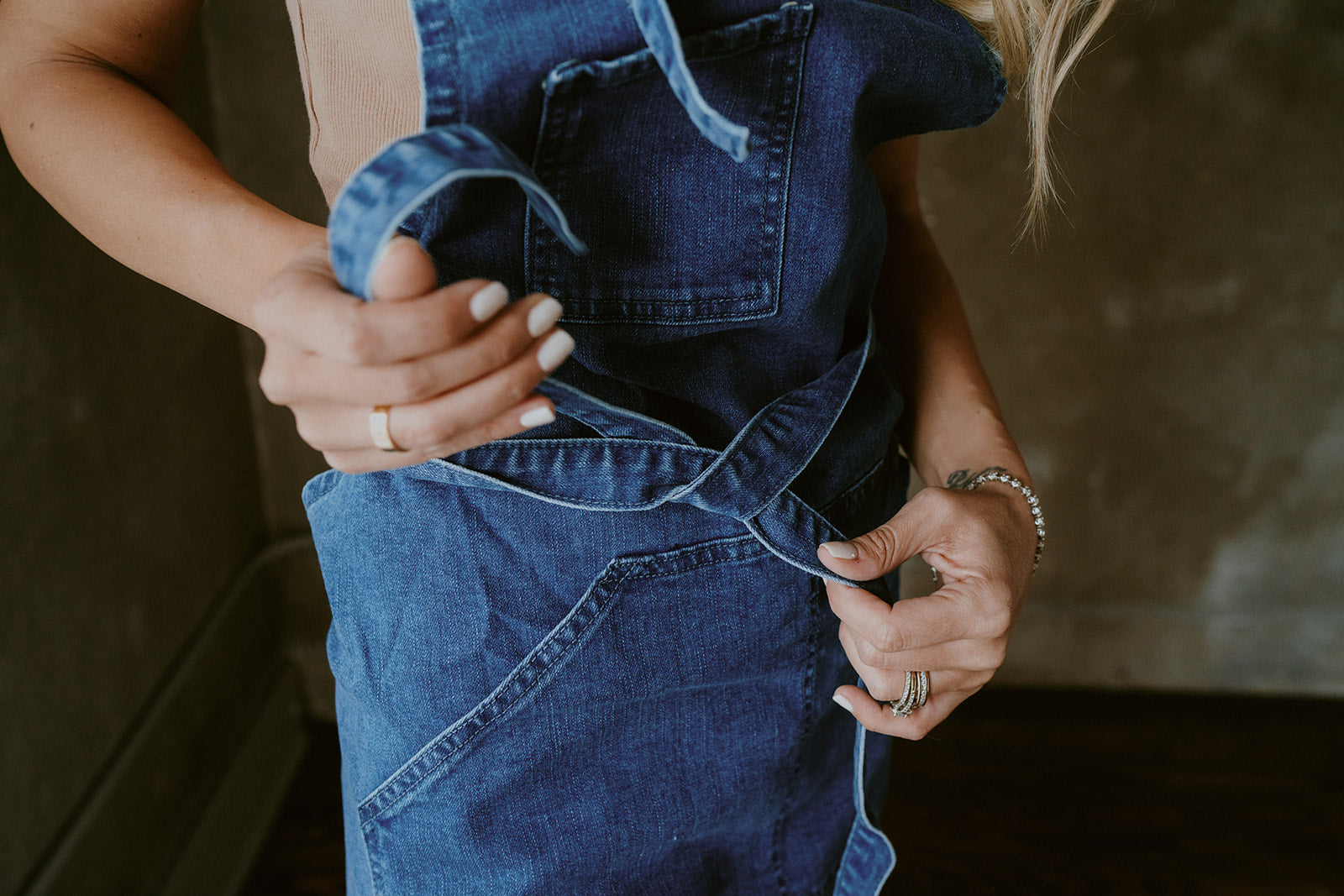
Denim aprons aren't just another piece of clothing in your laundry rotation. They're work tools engineered to withstand chemical exposure, water splashes, sharp implements, and constant movement. The organic cotton denim used in professional-grade aprons is woven tighter than your favorite jeans, and those reinforced pockets and brass hardware demand specific treatment.
I've seen too many stylists ruin perfectly good aprons by treating them like bath towels. The result? Faded color, twisted straps, corroded hardware, and denim that feels like cardboard instead of that broken-in softness you want. The good news: proper care is straightforward once you understand what you're working with.
## Pre-Wash Preparation: The Step Most People Skip
Before your apron ever sees the inside of a washing machine, take sixty seconds to prep it properly.
**Empty every pocket completely.** Hair clips, bobby pins, and razor blades have a nasty habit of shredding fabric during the spin cycle. I once pulled a forgotten shear out of a pocket that had punctured straight through two layers of denim. Check the small tool pockets twice — that's where debris hides.
**Brush off loose hair and dust.** Use a lint brush or damp cloth to remove surface debris. This prevents hair from embedding deeper into the fabric during washing, which creates those stubborn fuzz balls that never quite come clean.
**Turn the apron completely inside-out.** This single step preserves color longer than any special detergent. The inside fabric takes the mechanical abrasion from the washing machine drum, protecting the outer surface that everyone sees.
 **Inspect leather accents.** If your apron has genuine leather trim (like the leather-and-denim styles from J. Clark Designed), check whether the leather pieces are removable or permanently attached. Removable leather should come off before washing. Permanently attached leather can handle occasional machine washing but requires extra care.
## The Washing Process: Temperature, Detergent, and Cycle Settings
**Water temperature matters more than you think.** Cold water (below 80°F) is non-negotiable for denim. Hot water causes several problems simultaneously: it sets stains instead of releasing them (especially hair dye and chemical stains), breaks down the cotton fibers faster, and causes color bleeding. Even warm water accelerates fading.
**Choose your detergent carefully.** Use a mild liquid detergent without added brighteners or bleach. Powder detergents don't always dissolve completely in cold water, leaving white residue in the weave. I recommend eco-friendly, dye-free formulas — they're gentler on both the fabric and any chemical-sensitive skin that touches the apron later.
Skip fabric softener entirely. It coats the fibers with a waxy residue that reduces the natural absorbency of cotton denim. Your apron needs to wick away water and products, not repel them.
**Select the gentle or delicate cycle.** Despite denim's reputation for durability, aggressive agitation damages the cross-back straps and stresses the reinforced stitching around pockets. The gentle cycle provides adequate cleaning without the mechanical beating that shortens an apron's lifespan.
**Wash with similar colors only.** Denim bleeds indigo dye, especially in the first several washes. Keep your apron separate from light-colored garments. Washing it with other denim items or dark towels works well.
## Handling Leather Accents and Brass Hardware
Professional aprons often combine materials — organic cotton denim meets genuine leather and brass or copper hardware. Each material has different washing tolerances.
**For attached leather trim:** Machine washing occasionally won't destroy quality leather, but it will dry it out. After washing, apply a small amount of leather conditioner or even a drop of olive oil to leather accents. Rub it in with your fingers and wipe away excess with a clean cloth. This prevents cracking and maintains the leather's natural oils.
**For removable leather pieces:** Take them off and clean separately with a barely-damp cloth. Leather should never sit in water or go through a spin cycle. If the leather develops an odor, wipe it with a 1:1 solution of white vinegar and water, then condition.
**Inspect leather accents.** If your apron has genuine leather trim (like the leather-and-denim styles from J. Clark Designed), check whether the leather pieces are removable or permanently attached. Removable leather should come off before washing. Permanently attached leather can handle occasional machine washing but requires extra care.
## The Washing Process: Temperature, Detergent, and Cycle Settings
**Water temperature matters more than you think.** Cold water (below 80°F) is non-negotiable for denim. Hot water causes several problems simultaneously: it sets stains instead of releasing them (especially hair dye and chemical stains), breaks down the cotton fibers faster, and causes color bleeding. Even warm water accelerates fading.
**Choose your detergent carefully.** Use a mild liquid detergent without added brighteners or bleach. Powder detergents don't always dissolve completely in cold water, leaving white residue in the weave. I recommend eco-friendly, dye-free formulas — they're gentler on both the fabric and any chemical-sensitive skin that touches the apron later.
Skip fabric softener entirely. It coats the fibers with a waxy residue that reduces the natural absorbency of cotton denim. Your apron needs to wick away water and products, not repel them.
**Select the gentle or delicate cycle.** Despite denim's reputation for durability, aggressive agitation damages the cross-back straps and stresses the reinforced stitching around pockets. The gentle cycle provides adequate cleaning without the mechanical beating that shortens an apron's lifespan.
**Wash with similar colors only.** Denim bleeds indigo dye, especially in the first several washes. Keep your apron separate from light-colored garments. Washing it with other denim items or dark towels works well.
## Handling Leather Accents and Brass Hardware
Professional aprons often combine materials — organic cotton denim meets genuine leather and brass or copper hardware. Each material has different washing tolerances.
**For attached leather trim:** Machine washing occasionally won't destroy quality leather, but it will dry it out. After washing, apply a small amount of leather conditioner or even a drop of olive oil to leather accents. Rub it in with your fingers and wipe away excess with a clean cloth. This prevents cracking and maintains the leather's natural oils.
**For removable leather pieces:** Take them off and clean separately with a barely-damp cloth. Leather should never sit in water or go through a spin cycle. If the leather develops an odor, wipe it with a 1:1 solution of white vinegar and water, then condition.
 **Brass hardware care:** Those brass D-rings, rivets, and snaps develop a patina over time — that's normal and actually adds character. If you prefer keeping brass shiny, wipe it with a paste of lemon juice and baking soda after washing, then rinse and dry thoroughly. Never use harsh metal polishes that can transfer to fabric.
## Drying: Why Air-Drying Beats the Machine
The dryer is where most apron damage happens. High heat shrinks cotton denim unevenly (length more than width), warps cross-back straps, and can crack leather or discolor brass hardware.
**Always hang to air-dry.** Use a sturdy hanger or drape the apron over a drying rack. The cross-back design on aprons like those from J. Clark Designed makes them particularly easy to hang — just drape over a shower rod or clothesline and the weight distributes naturally.
**Hang in a well-ventilated area away from direct sunlight.** UV rays fade color over time. A shaded outdoor area or indoor space with good airflow works perfectly. Denim typically takes 6-12 hours to dry completely depending on humidity.
**Smooth out wrinkles while damp.** Run your hands over the fabric when it's still slightly wet to prevent deep-set creases. Denim naturally relaxes as it dries, so you won't need to iron unless you're particular about crisp edges.
If you absolutely must use a dryer (time crunch before a shift), use the lowest heat setting and remove the apron while it's still slightly damp. Finish air-drying to minimize heat exposure.
## Tackling Stubborn Stains Without Harsh Chemicals
Professional work means professional stains: hair dye, bleach spots, grease, wine, coffee, and mysterious splatters.
**Hair dye:** Act fast. Rinse immediately with cold water — hot water sets dye stains permanently. Apply liquid dish detergent directly to the stain and work it in with your fingers. Let it sit for 15 minutes before washing. For set-in dye, make a paste with baking soda and hydrogen peroxide, apply to the stain, and let it sit in direct sunlight for an hour before washing.
**Bleach spots:** Unfortunately, bleach removes color permanently — there's no fixing it. Prevent bleach damage by wearing your apron during color services, not just cuts. If bleach splashes on your apron, rinse immediately with cold water to prevent the bleach from spreading.
**Oil and grease:** Sprinkle cornstarch or baby powder on the stain to absorb the oil. Let it sit for 30 minutes, brush off, then apply dish detergent and wash normally. This works for hair products, food oils, and most lubricants.
**Wine and coffee:** Blot (don't rub) immediately with a clean cloth. Soak the stained area in a mixture of cold water and white vinegar (2:1 ratio) for 30 minutes, then wash.
**Brass hardware care:** Those brass D-rings, rivets, and snaps develop a patina over time — that's normal and actually adds character. If you prefer keeping brass shiny, wipe it with a paste of lemon juice and baking soda after washing, then rinse and dry thoroughly. Never use harsh metal polishes that can transfer to fabric.
## Drying: Why Air-Drying Beats the Machine
The dryer is where most apron damage happens. High heat shrinks cotton denim unevenly (length more than width), warps cross-back straps, and can crack leather or discolor brass hardware.
**Always hang to air-dry.** Use a sturdy hanger or drape the apron over a drying rack. The cross-back design on aprons like those from J. Clark Designed makes them particularly easy to hang — just drape over a shower rod or clothesline and the weight distributes naturally.
**Hang in a well-ventilated area away from direct sunlight.** UV rays fade color over time. A shaded outdoor area or indoor space with good airflow works perfectly. Denim typically takes 6-12 hours to dry completely depending on humidity.
**Smooth out wrinkles while damp.** Run your hands over the fabric when it's still slightly wet to prevent deep-set creases. Denim naturally relaxes as it dries, so you won't need to iron unless you're particular about crisp edges.
If you absolutely must use a dryer (time crunch before a shift), use the lowest heat setting and remove the apron while it's still slightly damp. Finish air-drying to minimize heat exposure.
## Tackling Stubborn Stains Without Harsh Chemicals
Professional work means professional stains: hair dye, bleach spots, grease, wine, coffee, and mysterious splatters.
**Hair dye:** Act fast. Rinse immediately with cold water — hot water sets dye stains permanently. Apply liquid dish detergent directly to the stain and work it in with your fingers. Let it sit for 15 minutes before washing. For set-in dye, make a paste with baking soda and hydrogen peroxide, apply to the stain, and let it sit in direct sunlight for an hour before washing.
**Bleach spots:** Unfortunately, bleach removes color permanently — there's no fixing it. Prevent bleach damage by wearing your apron during color services, not just cuts. If bleach splashes on your apron, rinse immediately with cold water to prevent the bleach from spreading.
**Oil and grease:** Sprinkle cornstarch or baby powder on the stain to absorb the oil. Let it sit for 30 minutes, brush off, then apply dish detergent and wash normally. This works for hair products, food oils, and most lubricants.
**Wine and coffee:** Blot (don't rub) immediately with a clean cloth. Soak the stained area in a mixture of cold water and white vinegar (2:1 ratio) for 30 minutes, then wash.
 ## How Often Should You Wash Your Denim Apron?
This depends entirely on your work environment and personal preference.
**Hairstylists and barbers:** Every 3-5 wears if you're mostly cutting. Daily washing if you're doing heavy color work or dealing with particularly messy clients. The buildup of hair, product, and dye residue can actually stiffen the fabric and make your apron less comfortable.
**Bartenders and florists:** Weekly washing usually suffices unless you experience a major spill. These environments typically involve less fabric-penetrating substances than salons.
**Tattoo artists and estheticians:** Every 2-3 wears for hygiene standards. Even if the apron looks clean, ink residue and body oils accumulate in the weave.
Between washes, spot-clean as needed with a damp cloth. Hanging your apron in fresh air overnight helps eliminate odors without a full wash cycle.
## Breaking In New Denim: Patience Pays Off
Brand-new denim aprons feel stiff. That's intentional — the tight weave provides maximum durability. The break-in period transforms a stiff apron into something that moves with you.
**First wash:** Expect significant indigo bleeding. Wash alone the first time in cold water. Some people add a cup of white vinegar to the wash cycle to help set the dye, though quality denim (like the organic cotton used in J. Clark Designed aprons) is colorfast enough that this isn't strictly necessary.
**The first month:** Your apron will soften noticeably with each wash and wear cycle. Denim is unique among fabrics in that it genuinely improves with age. The cotton fibers relax, the fabric conforms to your body movements, and it develops that lived-in feel that makes you reach for it every shift.
**Embrace the patina:** Those natural wear patterns — fading around the pockets, softening at the stress points, the developing character in leather accents — aren't flaws. They're proof your apron is working. Quality handcrafted aprons are designed to look better with age, not worse.
## Storage Between Shifts
How you store your apron matters almost as much as how you wash it.
**Hang it up.** Never ball up a damp or dirty apron at the bottom of your work bag. This creates mildew, sets in odors, and creates permanent wrinkles. Use the cross-back straps to hang it on a hook or hanger.
**Keep it ventilated.** Store in an area with air circulation. A locker hook works better than a sealed bag. If you must transport it in a bag, make sure the apron is completely dry first.
**Separate clean from dirty.** Keep a designated hook or space for your clean aprons separate from used ones. This sounds obvious, but in busy salon or studio environments, aprons get mixed up regularly.
## Signs Your Apron Needs Replacing (Not Just Washing)
Even with perfect care, aprons eventually wear out. Know when to maintain versus when to upgrade.
**Replace if you notice:**
- Holes in high-wear areas (pocket corners, neck strap attachment points)
- Frayed stitching that's coming undone
- Hardware that's bent, broken, or pulling through fabric
- Permanent stains that won't release despite repeated treatment
- Loss of structure (the apron won't hold its shape even when clean)
- Denim that's worn so thin you can see through it
With proper care, a quality apron should last 2-5 years of professional daily use. Handcrafted aprons with reinforced stitching and premium materials typically outlast mass-produced alternatives by years.
## FAQ
**Can I put my denim apron in the dryer if I'm in a hurry?**
Use the lowest heat setting and remove while still damp if you absolutely must. However, repeated dryer use will shrink the apron, fade the color faster, and potentially damage leather accents and brass hardware. The 6-8 hours needed for air-drying is always worth it for longevity. If time is consistently an issue, consider owning two aprons so one can dry while you wear the other.
**How do I prevent my black denim apron from fading?**
Turn it inside-out before every wash, use cold water exclusively, and add a cup of white vinegar to the rinse cycle once a month to help set the dye. Avoid over-washing — spot-clean when possible. Air-dry away from direct sunlight. Black denim will gradually fade to charcoal gray over time (that's the nature of dyed cotton), but these steps slow the process significantly.
**My apron smells like chemicals even after washing. What should I do?**
Salon chemicals, especially permanent hair color and bleach, can embed in fabric. Soak the apron in a mixture of cold water and baking soda (1/2 cup per gallon) for 2 hours before washing. For persistent odors, add 1/2 cup of white vinegar to the wash cycle. Ensure you're drying in a well-ventilated area — dampness trapped in thick denim can smell like mildew even when it's actually clean.
**Is it okay to iron my denim apron?**
You can, but it's rarely necessary. If you prefer crisp edges, iron while the denim is still slightly damp using medium heat. Avoid ironing directly over leather accents or brass hardware. Never iron vinyl or faux leather — it will melt. Most professionals prefer the natural, lived-in look of denim that's simply hung to dry without ironing.
## The Bottom Line
Washing a denim apron properly isn't complicated, but the small details matter. Cold water, gentle cycles, inside-out washing, and air-drying will extend your apron's life by years. Treat leather accents separately, address stains promptly, and remember that quality denim improves with age rather than deteriorating.
Your apron is an investment in your professional image and daily comfort. A well-maintained denim apron molds to your movements, develops character, and becomes part of your work identity. Whether you're wearing a classic black denim style or one of the more distinctive designs like Leopard Two Tone or Navy Pinstripe, proper care ensures it looks professional shift after shift.
Explore the full collection at [J. Clark Designed](https://www.jclarkdesigned.com/collections/all)
## How Often Should You Wash Your Denim Apron?
This depends entirely on your work environment and personal preference.
**Hairstylists and barbers:** Every 3-5 wears if you're mostly cutting. Daily washing if you're doing heavy color work or dealing with particularly messy clients. The buildup of hair, product, and dye residue can actually stiffen the fabric and make your apron less comfortable.
**Bartenders and florists:** Weekly washing usually suffices unless you experience a major spill. These environments typically involve less fabric-penetrating substances than salons.
**Tattoo artists and estheticians:** Every 2-3 wears for hygiene standards. Even if the apron looks clean, ink residue and body oils accumulate in the weave.
Between washes, spot-clean as needed with a damp cloth. Hanging your apron in fresh air overnight helps eliminate odors without a full wash cycle.
## Breaking In New Denim: Patience Pays Off
Brand-new denim aprons feel stiff. That's intentional — the tight weave provides maximum durability. The break-in period transforms a stiff apron into something that moves with you.
**First wash:** Expect significant indigo bleeding. Wash alone the first time in cold water. Some people add a cup of white vinegar to the wash cycle to help set the dye, though quality denim (like the organic cotton used in J. Clark Designed aprons) is colorfast enough that this isn't strictly necessary.
**The first month:** Your apron will soften noticeably with each wash and wear cycle. Denim is unique among fabrics in that it genuinely improves with age. The cotton fibers relax, the fabric conforms to your body movements, and it develops that lived-in feel that makes you reach for it every shift.
**Embrace the patina:** Those natural wear patterns — fading around the pockets, softening at the stress points, the developing character in leather accents — aren't flaws. They're proof your apron is working. Quality handcrafted aprons are designed to look better with age, not worse.
## Storage Between Shifts
How you store your apron matters almost as much as how you wash it.
**Hang it up.** Never ball up a damp or dirty apron at the bottom of your work bag. This creates mildew, sets in odors, and creates permanent wrinkles. Use the cross-back straps to hang it on a hook or hanger.
**Keep it ventilated.** Store in an area with air circulation. A locker hook works better than a sealed bag. If you must transport it in a bag, make sure the apron is completely dry first.
**Separate clean from dirty.** Keep a designated hook or space for your clean aprons separate from used ones. This sounds obvious, but in busy salon or studio environments, aprons get mixed up regularly.
## Signs Your Apron Needs Replacing (Not Just Washing)
Even with perfect care, aprons eventually wear out. Know when to maintain versus when to upgrade.
**Replace if you notice:**
- Holes in high-wear areas (pocket corners, neck strap attachment points)
- Frayed stitching that's coming undone
- Hardware that's bent, broken, or pulling through fabric
- Permanent stains that won't release despite repeated treatment
- Loss of structure (the apron won't hold its shape even when clean)
- Denim that's worn so thin you can see through it
With proper care, a quality apron should last 2-5 years of professional daily use. Handcrafted aprons with reinforced stitching and premium materials typically outlast mass-produced alternatives by years.
## FAQ
**Can I put my denim apron in the dryer if I'm in a hurry?**
Use the lowest heat setting and remove while still damp if you absolutely must. However, repeated dryer use will shrink the apron, fade the color faster, and potentially damage leather accents and brass hardware. The 6-8 hours needed for air-drying is always worth it for longevity. If time is consistently an issue, consider owning two aprons so one can dry while you wear the other.
**How do I prevent my black denim apron from fading?**
Turn it inside-out before every wash, use cold water exclusively, and add a cup of white vinegar to the rinse cycle once a month to help set the dye. Avoid over-washing — spot-clean when possible. Air-dry away from direct sunlight. Black denim will gradually fade to charcoal gray over time (that's the nature of dyed cotton), but these steps slow the process significantly.
**My apron smells like chemicals even after washing. What should I do?**
Salon chemicals, especially permanent hair color and bleach, can embed in fabric. Soak the apron in a mixture of cold water and baking soda (1/2 cup per gallon) for 2 hours before washing. For persistent odors, add 1/2 cup of white vinegar to the wash cycle. Ensure you're drying in a well-ventilated area — dampness trapped in thick denim can smell like mildew even when it's actually clean.
**Is it okay to iron my denim apron?**
You can, but it's rarely necessary. If you prefer crisp edges, iron while the denim is still slightly damp using medium heat. Avoid ironing directly over leather accents or brass hardware. Never iron vinyl or faux leather — it will melt. Most professionals prefer the natural, lived-in look of denim that's simply hung to dry without ironing.
## The Bottom Line
Washing a denim apron properly isn't complicated, but the small details matter. Cold water, gentle cycles, inside-out washing, and air-drying will extend your apron's life by years. Treat leather accents separately, address stains promptly, and remember that quality denim improves with age rather than deteriorating.
Your apron is an investment in your professional image and daily comfort. A well-maintained denim apron molds to your movements, develops character, and becomes part of your work identity. Whether you're wearing a classic black denim style or one of the more distinctive designs like Leopard Two Tone or Navy Pinstripe, proper care ensures it looks professional shift after shift.
Explore the full collection at [J. Clark Designed](https://www.jclarkdesigned.com/collections/all)
**Inspect leather accents.** If your apron has genuine leather trim (like the leather-and-denim styles from J. Clark Designed), check whether the leather pieces are removable or permanently attached. Removable leather should come off before washing. Permanently attached leather can handle occasional machine washing but requires extra care.
## The Washing Process: Temperature, Detergent, and Cycle Settings
**Water temperature matters more than you think.** Cold water (below 80°F) is non-negotiable for denim. Hot water causes several problems simultaneously: it sets stains instead of releasing them (especially hair dye and chemical stains), breaks down the cotton fibers faster, and causes color bleeding. Even warm water accelerates fading.
**Choose your detergent carefully.** Use a mild liquid detergent without added brighteners or bleach. Powder detergents don't always dissolve completely in cold water, leaving white residue in the weave. I recommend eco-friendly, dye-free formulas — they're gentler on both the fabric and any chemical-sensitive skin that touches the apron later.
Skip fabric softener entirely. It coats the fibers with a waxy residue that reduces the natural absorbency of cotton denim. Your apron needs to wick away water and products, not repel them.
**Select the gentle or delicate cycle.** Despite denim's reputation for durability, aggressive agitation damages the cross-back straps and stresses the reinforced stitching around pockets. The gentle cycle provides adequate cleaning without the mechanical beating that shortens an apron's lifespan.
**Wash with similar colors only.** Denim bleeds indigo dye, especially in the first several washes. Keep your apron separate from light-colored garments. Washing it with other denim items or dark towels works well.
## Handling Leather Accents and Brass Hardware
Professional aprons often combine materials — organic cotton denim meets genuine leather and brass or copper hardware. Each material has different washing tolerances.
**For attached leather trim:** Machine washing occasionally won't destroy quality leather, but it will dry it out. After washing, apply a small amount of leather conditioner or even a drop of olive oil to leather accents. Rub it in with your fingers and wipe away excess with a clean cloth. This prevents cracking and maintains the leather's natural oils.
**For removable leather pieces:** Take them off and clean separately with a barely-damp cloth. Leather should never sit in water or go through a spin cycle. If the leather develops an odor, wipe it with a 1:1 solution of white vinegar and water, then condition.
**Brass hardware care:** Those brass D-rings, rivets, and snaps develop a patina over time — that's normal and actually adds character. If you prefer keeping brass shiny, wipe it with a paste of lemon juice and baking soda after washing, then rinse and dry thoroughly. Never use harsh metal polishes that can transfer to fabric.
## Drying: Why Air-Drying Beats the Machine
The dryer is where most apron damage happens. High heat shrinks cotton denim unevenly (length more than width), warps cross-back straps, and can crack leather or discolor brass hardware.
**Always hang to air-dry.** Use a sturdy hanger or drape the apron over a drying rack. The cross-back design on aprons like those from J. Clark Designed makes them particularly easy to hang — just drape over a shower rod or clothesline and the weight distributes naturally.
**Hang in a well-ventilated area away from direct sunlight.** UV rays fade color over time. A shaded outdoor area or indoor space with good airflow works perfectly. Denim typically takes 6-12 hours to dry completely depending on humidity.
**Smooth out wrinkles while damp.** Run your hands over the fabric when it's still slightly wet to prevent deep-set creases. Denim naturally relaxes as it dries, so you won't need to iron unless you're particular about crisp edges.
If you absolutely must use a dryer (time crunch before a shift), use the lowest heat setting and remove the apron while it's still slightly damp. Finish air-drying to minimize heat exposure.
## Tackling Stubborn Stains Without Harsh Chemicals
Professional work means professional stains: hair dye, bleach spots, grease, wine, coffee, and mysterious splatters.
**Hair dye:** Act fast. Rinse immediately with cold water — hot water sets dye stains permanently. Apply liquid dish detergent directly to the stain and work it in with your fingers. Let it sit for 15 minutes before washing. For set-in dye, make a paste with baking soda and hydrogen peroxide, apply to the stain, and let it sit in direct sunlight for an hour before washing.
**Bleach spots:** Unfortunately, bleach removes color permanently — there's no fixing it. Prevent bleach damage by wearing your apron during color services, not just cuts. If bleach splashes on your apron, rinse immediately with cold water to prevent the bleach from spreading.
**Oil and grease:** Sprinkle cornstarch or baby powder on the stain to absorb the oil. Let it sit for 30 minutes, brush off, then apply dish detergent and wash normally. This works for hair products, food oils, and most lubricants.
**Wine and coffee:** Blot (don't rub) immediately with a clean cloth. Soak the stained area in a mixture of cold water and white vinegar (2:1 ratio) for 30 minutes, then wash.
## How Often Should You Wash Your Denim Apron?
This depends entirely on your work environment and personal preference.
**Hairstylists and barbers:** Every 3-5 wears if you're mostly cutting. Daily washing if you're doing heavy color work or dealing with particularly messy clients. The buildup of hair, product, and dye residue can actually stiffen the fabric and make your apron less comfortable.
**Bartenders and florists:** Weekly washing usually suffices unless you experience a major spill. These environments typically involve less fabric-penetrating substances than salons.
**Tattoo artists and estheticians:** Every 2-3 wears for hygiene standards. Even if the apron looks clean, ink residue and body oils accumulate in the weave.
Between washes, spot-clean as needed with a damp cloth. Hanging your apron in fresh air overnight helps eliminate odors without a full wash cycle.
## Breaking In New Denim: Patience Pays Off
Brand-new denim aprons feel stiff. That's intentional — the tight weave provides maximum durability. The break-in period transforms a stiff apron into something that moves with you.
**First wash:** Expect significant indigo bleeding. Wash alone the first time in cold water. Some people add a cup of white vinegar to the wash cycle to help set the dye, though quality denim (like the organic cotton used in J. Clark Designed aprons) is colorfast enough that this isn't strictly necessary.
**The first month:** Your apron will soften noticeably with each wash and wear cycle. Denim is unique among fabrics in that it genuinely improves with age. The cotton fibers relax, the fabric conforms to your body movements, and it develops that lived-in feel that makes you reach for it every shift.
**Embrace the patina:** Those natural wear patterns — fading around the pockets, softening at the stress points, the developing character in leather accents — aren't flaws. They're proof your apron is working. Quality handcrafted aprons are designed to look better with age, not worse.
## Storage Between Shifts
How you store your apron matters almost as much as how you wash it.
**Hang it up.** Never ball up a damp or dirty apron at the bottom of your work bag. This creates mildew, sets in odors, and creates permanent wrinkles. Use the cross-back straps to hang it on a hook or hanger.
**Keep it ventilated.** Store in an area with air circulation. A locker hook works better than a sealed bag. If you must transport it in a bag, make sure the apron is completely dry first.
**Separate clean from dirty.** Keep a designated hook or space for your clean aprons separate from used ones. This sounds obvious, but in busy salon or studio environments, aprons get mixed up regularly.
## Signs Your Apron Needs Replacing (Not Just Washing)
Even with perfect care, aprons eventually wear out. Know when to maintain versus when to upgrade.
**Replace if you notice:**
- Holes in high-wear areas (pocket corners, neck strap attachment points)
- Frayed stitching that's coming undone
- Hardware that's bent, broken, or pulling through fabric
- Permanent stains that won't release despite repeated treatment
- Loss of structure (the apron won't hold its shape even when clean)
- Denim that's worn so thin you can see through it
With proper care, a quality apron should last 2-5 years of professional daily use. Handcrafted aprons with reinforced stitching and premium materials typically outlast mass-produced alternatives by years.
## FAQ
**Can I put my denim apron in the dryer if I'm in a hurry?**
Use the lowest heat setting and remove while still damp if you absolutely must. However, repeated dryer use will shrink the apron, fade the color faster, and potentially damage leather accents and brass hardware. The 6-8 hours needed for air-drying is always worth it for longevity. If time is consistently an issue, consider owning two aprons so one can dry while you wear the other.
**How do I prevent my black denim apron from fading?**
Turn it inside-out before every wash, use cold water exclusively, and add a cup of white vinegar to the rinse cycle once a month to help set the dye. Avoid over-washing — spot-clean when possible. Air-dry away from direct sunlight. Black denim will gradually fade to charcoal gray over time (that's the nature of dyed cotton), but these steps slow the process significantly.
**My apron smells like chemicals even after washing. What should I do?**
Salon chemicals, especially permanent hair color and bleach, can embed in fabric. Soak the apron in a mixture of cold water and baking soda (1/2 cup per gallon) for 2 hours before washing. For persistent odors, add 1/2 cup of white vinegar to the wash cycle. Ensure you're drying in a well-ventilated area — dampness trapped in thick denim can smell like mildew even when it's actually clean.
**Is it okay to iron my denim apron?**
You can, but it's rarely necessary. If you prefer crisp edges, iron while the denim is still slightly damp using medium heat. Avoid ironing directly over leather accents or brass hardware. Never iron vinyl or faux leather — it will melt. Most professionals prefer the natural, lived-in look of denim that's simply hung to dry without ironing.
## The Bottom Line
Washing a denim apron properly isn't complicated, but the small details matter. Cold water, gentle cycles, inside-out washing, and air-drying will extend your apron's life by years. Treat leather accents separately, address stains promptly, and remember that quality denim improves with age rather than deteriorating.
Your apron is an investment in your professional image and daily comfort. A well-maintained denim apron molds to your movements, develops character, and becomes part of your work identity. Whether you're wearing a classic black denim style or one of the more distinctive designs like Leopard Two Tone or Navy Pinstripe, proper care ensures it looks professional shift after shift.
Explore the full collection at [J. Clark Designed](https://www.jclarkdesigned.com/collections/all)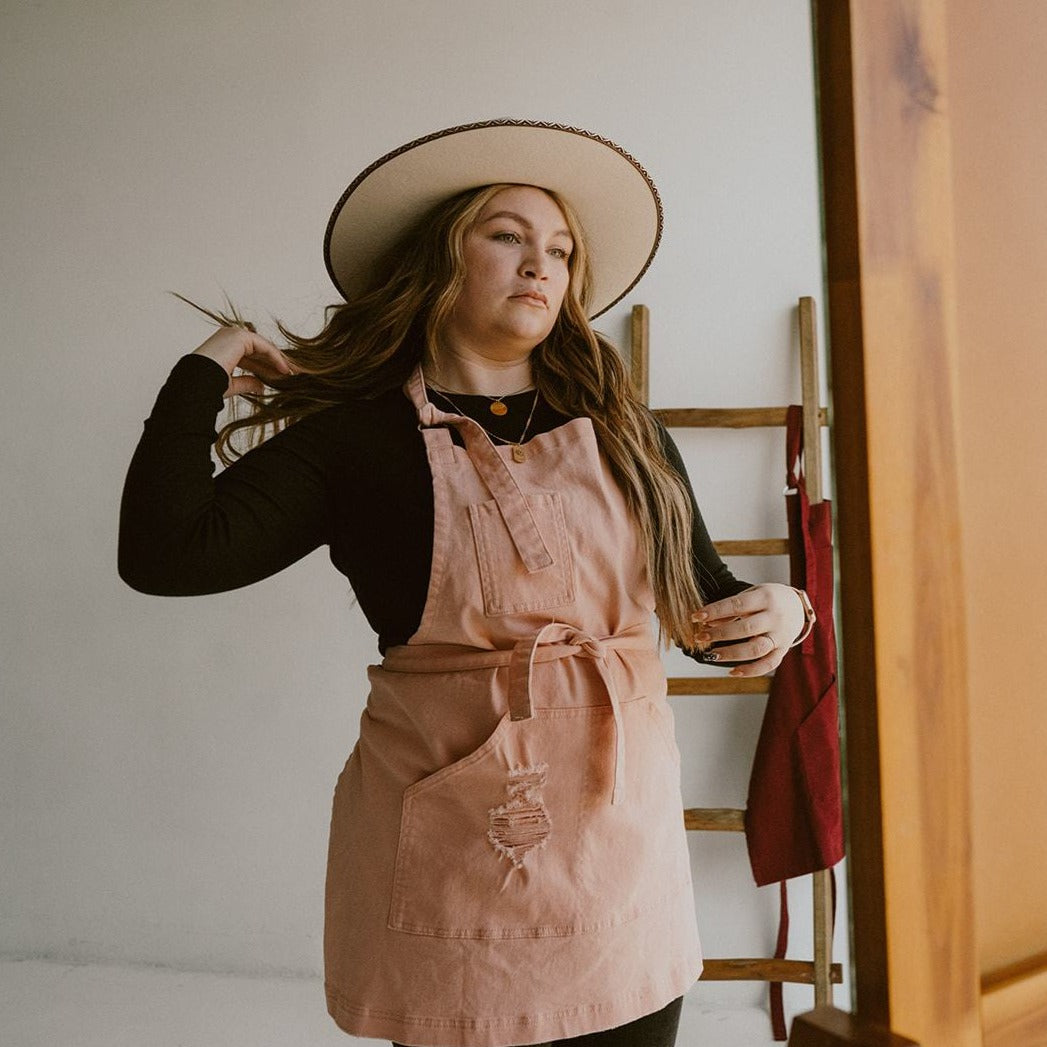

Leave a comment
This site is protected by hCaptcha and the hCaptcha Privacy Policy and Terms of Service apply.