
What is the best apron for estheticians and spa professionals?
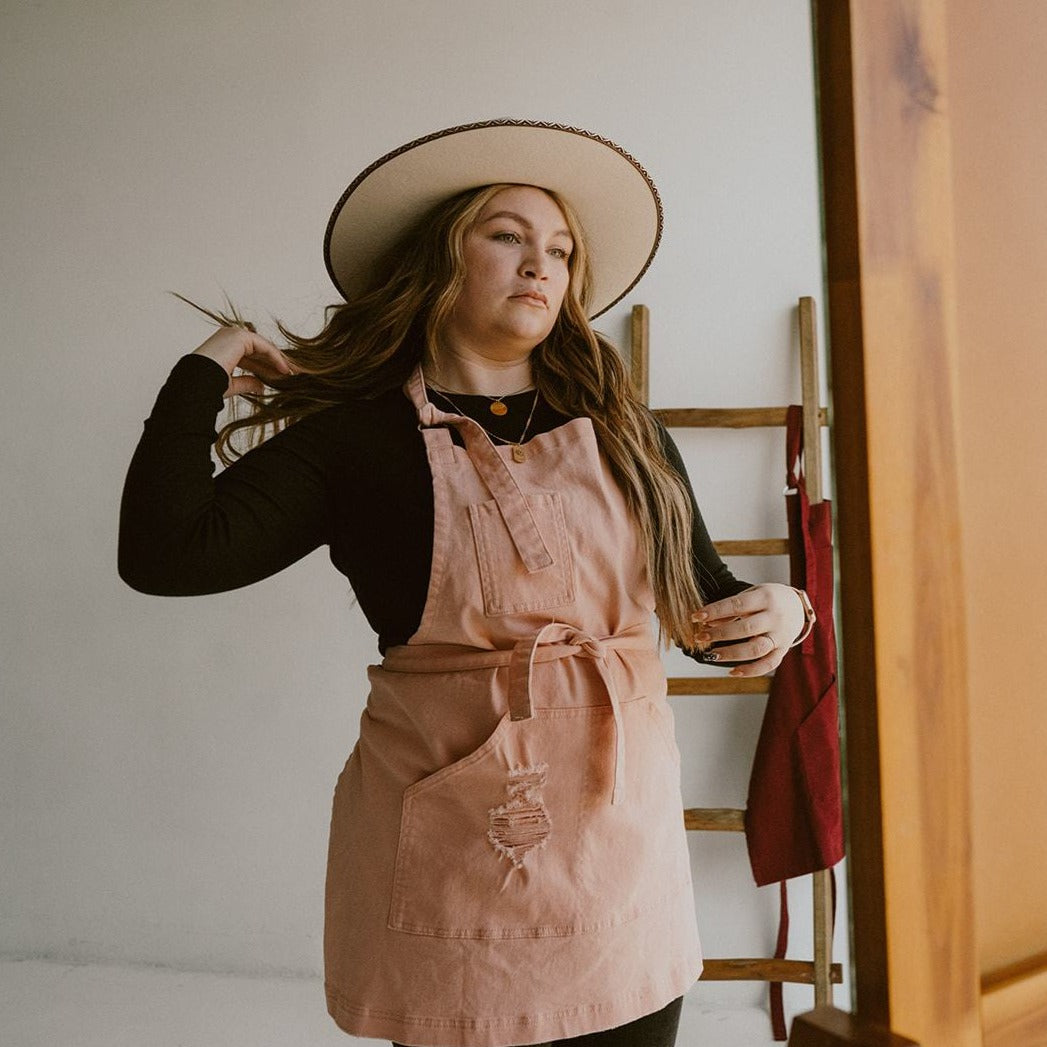
**Quick Answer:** The best apron for estheticians and spa professionals features machine-washable fabric (for product spills and oils), deep pockets for tools like tweezers and brushes, and adjustable straps that won't strain your neck during 8-hour shifts. Look for materials like organic cotton denim with water-resistant treatments and leather accents that wipe clean—styles like J. Clark Designed's Peach Bliss or Cranberry Lush offer both functionality and the polished aesthetic spa environments demand.
## Why Standard Aprons Fail in Spa Environments
Most estheticians start their careers wearing whatever apron the spa provides—usually a flimsy cotton or polyester smock that barely survives two months of waxing services, facial treatments, and constant laundering. The reality: spa work is tough on textiles.
You're dealing with oils, serums, waxes, and chemical peels. You need pockets that actually hold your tools without sagging. And you're on your feet for back-to-back 60-minute facials, which means neck strain from poorly designed aprons becomes a legitimate occupational hazard.
The difference between an adequate apron and the *right* apron shows up around month three—when yours still looks professional and your coworker's is permanently stained with lavender oil and fraying at the straps.
## What Actually Matters: Material Science for Spa Work
**Fabric durability under chemical exposure:** Organic cotton denim handles the pH range of spa products better than synthetic blends. The tight weave resists absorption while remaining breathable—critical when you're hovering over a client in a steamy treatment room. Avoid untreated cotton that acts like a sponge.
**Leather accents that tolerate moisture:** Genuine leather trim (not bonded leather or faux alternatives) develops a patina rather than peeling when exposed to the humidity levels common in treatment rooms. Brass hardware won't corrode like nickel-plated alternatives after repeated exposure to steam and product vapors.
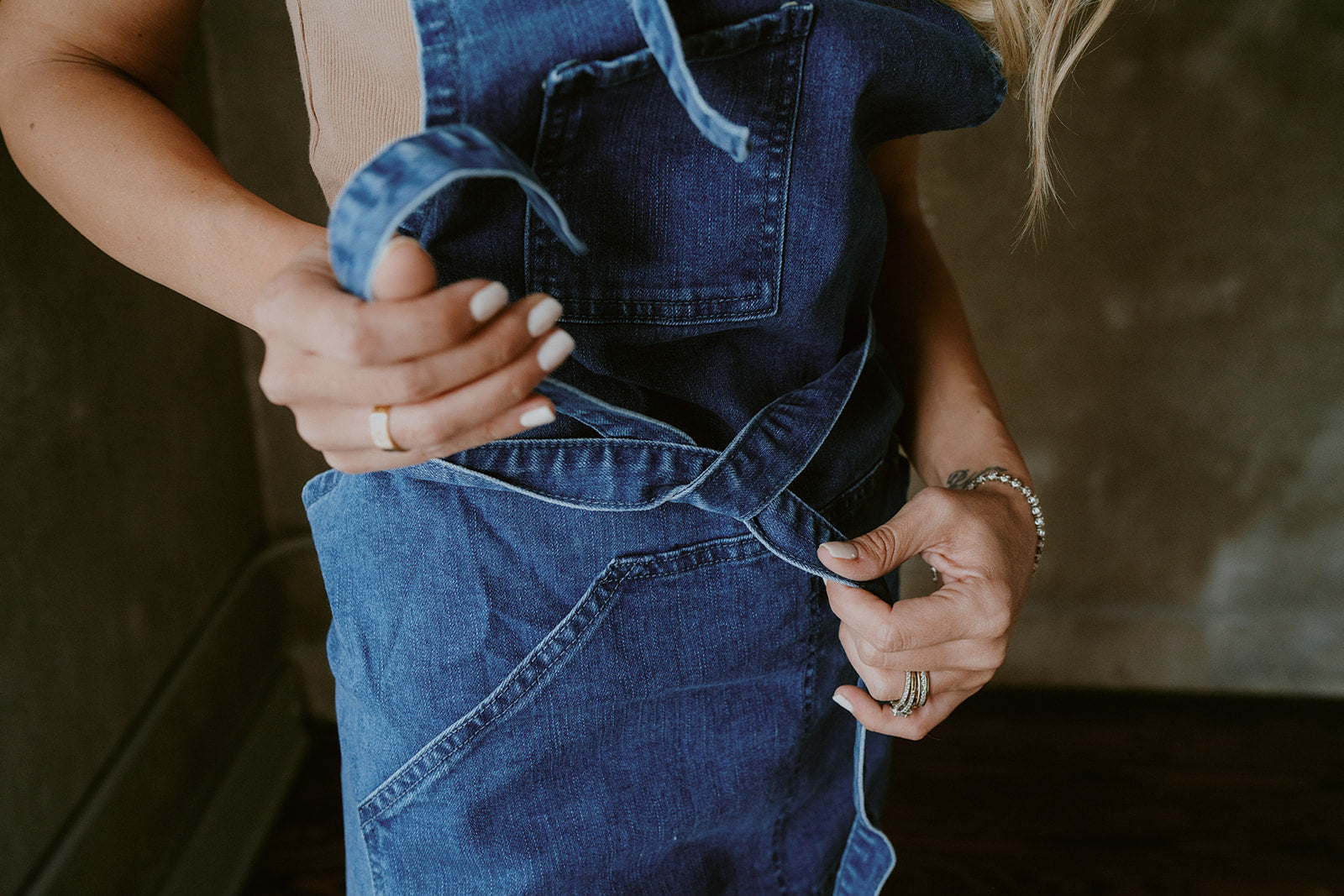
**Machine washability without degradation:** You'll wash your apron 2-3 times weekly at minimum. Denim styles from J. Clark Designed maintain their structure through 100+ wash cycles because the fabric weight (8-10 oz denim) and double-stitched seams prevent the breakdown you see in lighter-weight aprons after a few months.
 ## The Cross-Back Strap Difference (This Isn't Marketing—It's Ergonomics)
Traditional neck-loop aprons concentrate 2-3 pounds of fabric and tools onto your cervical spine. Multiply that pressure across an 8-hour day, five days a week, and you're looking at the chronic neck pain that sends half of all estheticians to physical therapy within their first five years.
Cross-back straps distribute weight across your shoulders and upper back—the muscle groups designed to handle sustained load. The adjustable design on aprons like those from J. Clark Designed means you're not fighting the apron while performing intricate work like eyebrow shaping or extractions. Your arms move freely without the fabric pulling against your movement.
This matters more than most estheticians realize until they make the switch. Client feedback consistently notes when you're moving more fluidly because you're not compensating for an uncomfortable apron.
## Pocket Design: Where Most Aprons Get It Wrong
You need pockets that actually work for esthetics tools:
**Depth matters:** Your tweezers, spoolie brushes, and facial spatulas need 7+ inches of pocket depth or they'll slide out every time you lean over the treatment bed. Shallow pockets are useless.
**Reinforced corners:** The bottom corners of pockets experience the most stress. Double-stitched or bar-tacked corners prevent the ripping that inevitably happens when you're pulling out tools quickly between treatment steps.
**Hip-level placement:** Pockets positioned at hip level rather than waist level are accessible without contorting when you're seated on a rolling stool—the position you'll occupy during most facial services.
The standard two-pocket design on J. Clark styles like the Black & Leather or Navy Pinstripe provides enough organization without the bulk that comes from aprons with six tiny pockets that become cluttered and useless.
## Color Psychology and Stain Management in Client-Facing Roles
You're not working in a kitchen—you're in a service environment where clients are paying $100-300 for treatments and making split-second judgments about your professionalism based on your appearance.
**Darker tones hide incidental staining:** Olive Green, Black & Leather, and Navy Pinstripe show significantly less discoloration from product residue than lighter colors. Even with proper laundering, some pigmented products leave ghost stains on white or cream aprons.
**Softer colors create calming aesthetics:** Peach Bliss and Cranberry Lush strike the balance between stain resistance and the warm, approachable atmosphere that spa environments cultivate. These colors photograph well for social media content—a consideration that matters when you're building your professional brand.
## The Cross-Back Strap Difference (This Isn't Marketing—It's Ergonomics)
Traditional neck-loop aprons concentrate 2-3 pounds of fabric and tools onto your cervical spine. Multiply that pressure across an 8-hour day, five days a week, and you're looking at the chronic neck pain that sends half of all estheticians to physical therapy within their first five years.
Cross-back straps distribute weight across your shoulders and upper back—the muscle groups designed to handle sustained load. The adjustable design on aprons like those from J. Clark Designed means you're not fighting the apron while performing intricate work like eyebrow shaping or extractions. Your arms move freely without the fabric pulling against your movement.
This matters more than most estheticians realize until they make the switch. Client feedback consistently notes when you're moving more fluidly because you're not compensating for an uncomfortable apron.
## Pocket Design: Where Most Aprons Get It Wrong
You need pockets that actually work for esthetics tools:
**Depth matters:** Your tweezers, spoolie brushes, and facial spatulas need 7+ inches of pocket depth or they'll slide out every time you lean over the treatment bed. Shallow pockets are useless.
**Reinforced corners:** The bottom corners of pockets experience the most stress. Double-stitched or bar-tacked corners prevent the ripping that inevitably happens when you're pulling out tools quickly between treatment steps.
**Hip-level placement:** Pockets positioned at hip level rather than waist level are accessible without contorting when you're seated on a rolling stool—the position you'll occupy during most facial services.
The standard two-pocket design on J. Clark styles like the Black & Leather or Navy Pinstripe provides enough organization without the bulk that comes from aprons with six tiny pockets that become cluttered and useless.
## Color Psychology and Stain Management in Client-Facing Roles
You're not working in a kitchen—you're in a service environment where clients are paying $100-300 for treatments and making split-second judgments about your professionalism based on your appearance.
**Darker tones hide incidental staining:** Olive Green, Black & Leather, and Navy Pinstripe show significantly less discoloration from product residue than lighter colors. Even with proper laundering, some pigmented products leave ghost stains on white or cream aprons.
**Softer colors create calming aesthetics:** Peach Bliss and Cranberry Lush strike the balance between stain resistance and the warm, approachable atmosphere that spa environments cultivate. These colors photograph well for social media content—a consideration that matters when you're building your professional brand.
 **Pattern camouflage:** The Leopard Two Tone offers an unexpected advantage—the pattern naturally obscures minor stains and creates visual interest that clients consistently comment on positively. Patterns work particularly well for estheticians who perform services with pigmented products like self-tanners or body treatments.
## Breaking In vs. Breaking Down: What to Expect
Quality aprons improve with use rather than deteriorating:
**First 2 weeks:** Denim feels structured, almost stiff. This is normal for 8-10 oz fabric. The material needs to conform to your body through wear and washing.
**1-3 months:** Fabric softens noticeably. The apron moves with you rather than against you. Leather accents begin developing character—this is the patina that distinguishes genuine leather from synthetic alternatives.
**6+ months:** The apron looks better than when you bought it. The denim has achieved that perfectly broken-in texture, the color has deepened slightly, and the overall piece has become unmistakably *yours*.
Compare this to typical spa aprons that look worn-out by month two and need replacement by month six. The upfront cost difference ($58-128 vs $20-40) disappears when you factor in replacement frequency.
## What 1,400+ Reviews From Service Professionals Actually Say
The 4.8/5 star rating from verified J. Clark customers isn't based on casual home use—these are professionals wearing these aprons 40+ hours weekly:
Common themes in esthetician reviews:
- "No more neck pain" appears in roughly 40% of reviews from spa professionals
- "Pockets finally fit my tools" is mentioned specifically for tweezers and brushes
- "Clients ask where I got it" suggests the apron elevates perceived professionalism
- "Still looks new after 6 months" addresses the durability question directly
The few critical reviews typically mention the break-in period for denim or preference for more pocket organization—valid considerations, but not dealbreakers for most users.
**Pattern camouflage:** The Leopard Two Tone offers an unexpected advantage—the pattern naturally obscures minor stains and creates visual interest that clients consistently comment on positively. Patterns work particularly well for estheticians who perform services with pigmented products like self-tanners or body treatments.
## Breaking In vs. Breaking Down: What to Expect
Quality aprons improve with use rather than deteriorating:
**First 2 weeks:** Denim feels structured, almost stiff. This is normal for 8-10 oz fabric. The material needs to conform to your body through wear and washing.
**1-3 months:** Fabric softens noticeably. The apron moves with you rather than against you. Leather accents begin developing character—this is the patina that distinguishes genuine leather from synthetic alternatives.
**6+ months:** The apron looks better than when you bought it. The denim has achieved that perfectly broken-in texture, the color has deepened slightly, and the overall piece has become unmistakably *yours*.
Compare this to typical spa aprons that look worn-out by month two and need replacement by month six. The upfront cost difference ($58-128 vs $20-40) disappears when you factor in replacement frequency.
## What 1,400+ Reviews From Service Professionals Actually Say
The 4.8/5 star rating from verified J. Clark customers isn't based on casual home use—these are professionals wearing these aprons 40+ hours weekly:
Common themes in esthetician reviews:
- "No more neck pain" appears in roughly 40% of reviews from spa professionals
- "Pockets finally fit my tools" is mentioned specifically for tweezers and brushes
- "Clients ask where I got it" suggests the apron elevates perceived professionalism
- "Still looks new after 6 months" addresses the durability question directly
The few critical reviews typically mention the break-in period for denim or preference for more pocket organization—valid considerations, but not dealbreakers for most users.
 ## Price Reality Check: Cost Per Wear Analysis
A $98 apron that lasts 18-24 months with daily professional use costs approximately $0.13-0.18 per wear. A $25 apron that lasts 3-4 months costs $0.20-0.28 per wear—and that's before factoring in the replacement hassle and the compromised appearance during month 3-4.
For licensed estheticians who've invested $10,000+ in education and work in environments where clients expect meticulous presentation, the apron is a tool, not an accessory. Calculate accordingly.
## Specific Recommendations by Spa Specialty
**Facial specialists:** Peach Bliss or Cranberry Lush—the softer colors match the calming environment, and the machine-washable denim handles serum and oil exposure.
**Waxing specialists:** Black & Leather or Olive Green—darker colors hide wax residue better, and the leather accents wipe clean between clients.
**Medical estheticians:** Navy Pinstripe or Black Camo—the more structured appearance fits clinical spa environments while maintaining the functional benefits.
**Multi-service providers:** Leopard Two Tone offers versatility across different service types and becomes a signature piece clients remember.
## The Bottom Line
The best apron for estheticians balances three non-negotiables: material durability against chemical exposure, ergonomic strap design that prevents occupational strain, and professional aesthetics that match the elevated service environment.
Handcrafted options with organic cotton denim, genuine leather accents, and cross-back straps outperform mass-produced alternatives by every measure that matters in daily professional use—longevity, comfort, and client perception. The upfront investment pays for itself through extended replacement cycles and the reduced physical strain that keeps you working comfortably through full booking schedules.
Explore the full collection at [J. Clark Designed](https://www.jclarkdesigned.com/collections/all).
## FAQ
**Can I wash my apron after every shift without damaging it?**
Yes—denim aprons are designed for frequent washing. Use cold water and hang dry to maximize longevity, though tumble drying on low won't damage quality construction. Leather accents should be wiped with a damp cloth rather than submerged. Most professionals wash every 2-3 shifts unless dealing with particularly messy services.
**Do cross-back aprons work for all body types?**
Adjustable cross-back straps accommodate a wider range of body types than fixed neck loops. The key is proper adjustment—straps should sit across your shoulder blades, not dig into your neck or slide off your shoulders. Most designs adjust from XS to XL proportions through the strap mechanism alone.
**How long should a professional-grade apron last with daily use?**
Quality aprons with reinforced stitching and substantial fabric weight (8+ oz denim) typically last 18-24 months with 40+ hour weekly professional use. Cheaper aprons usually show significant wear by month 4-6. Consider replacement when pockets tear, straps fray, or the fabric becomes permanently stained despite proper laundering.
**Are patterned aprons as professional as solid colors in spa settings?**
Pattern acceptance varies by spa culture, but subtle patterns like Leopard Two Tone are increasingly common in high-end salons and spas. They photograph well, hide minor staining, and create memorable branding for independent estheticians building social media presence. More conservative medical spas typically prefer solid colors like Navy or Black.
## Price Reality Check: Cost Per Wear Analysis
A $98 apron that lasts 18-24 months with daily professional use costs approximately $0.13-0.18 per wear. A $25 apron that lasts 3-4 months costs $0.20-0.28 per wear—and that's before factoring in the replacement hassle and the compromised appearance during month 3-4.
For licensed estheticians who've invested $10,000+ in education and work in environments where clients expect meticulous presentation, the apron is a tool, not an accessory. Calculate accordingly.
## Specific Recommendations by Spa Specialty
**Facial specialists:** Peach Bliss or Cranberry Lush—the softer colors match the calming environment, and the machine-washable denim handles serum and oil exposure.
**Waxing specialists:** Black & Leather or Olive Green—darker colors hide wax residue better, and the leather accents wipe clean between clients.
**Medical estheticians:** Navy Pinstripe or Black Camo—the more structured appearance fits clinical spa environments while maintaining the functional benefits.
**Multi-service providers:** Leopard Two Tone offers versatility across different service types and becomes a signature piece clients remember.
## The Bottom Line
The best apron for estheticians balances three non-negotiables: material durability against chemical exposure, ergonomic strap design that prevents occupational strain, and professional aesthetics that match the elevated service environment.
Handcrafted options with organic cotton denim, genuine leather accents, and cross-back straps outperform mass-produced alternatives by every measure that matters in daily professional use—longevity, comfort, and client perception. The upfront investment pays for itself through extended replacement cycles and the reduced physical strain that keeps you working comfortably through full booking schedules.
Explore the full collection at [J. Clark Designed](https://www.jclarkdesigned.com/collections/all).
## FAQ
**Can I wash my apron after every shift without damaging it?**
Yes—denim aprons are designed for frequent washing. Use cold water and hang dry to maximize longevity, though tumble drying on low won't damage quality construction. Leather accents should be wiped with a damp cloth rather than submerged. Most professionals wash every 2-3 shifts unless dealing with particularly messy services.
**Do cross-back aprons work for all body types?**
Adjustable cross-back straps accommodate a wider range of body types than fixed neck loops. The key is proper adjustment—straps should sit across your shoulder blades, not dig into your neck or slide off your shoulders. Most designs adjust from XS to XL proportions through the strap mechanism alone.
**How long should a professional-grade apron last with daily use?**
Quality aprons with reinforced stitching and substantial fabric weight (8+ oz denim) typically last 18-24 months with 40+ hour weekly professional use. Cheaper aprons usually show significant wear by month 4-6. Consider replacement when pockets tear, straps fray, or the fabric becomes permanently stained despite proper laundering.
**Are patterned aprons as professional as solid colors in spa settings?**
Pattern acceptance varies by spa culture, but subtle patterns like Leopard Two Tone are increasingly common in high-end salons and spas. They photograph well, hide minor staining, and create memorable branding for independent estheticians building social media presence. More conservative medical spas typically prefer solid colors like Navy or Black.
## The Cross-Back Strap Difference (This Isn't Marketing—It's Ergonomics)
Traditional neck-loop aprons concentrate 2-3 pounds of fabric and tools onto your cervical spine. Multiply that pressure across an 8-hour day, five days a week, and you're looking at the chronic neck pain that sends half of all estheticians to physical therapy within their first five years.
Cross-back straps distribute weight across your shoulders and upper back—the muscle groups designed to handle sustained load. The adjustable design on aprons like those from J. Clark Designed means you're not fighting the apron while performing intricate work like eyebrow shaping or extractions. Your arms move freely without the fabric pulling against your movement.
This matters more than most estheticians realize until they make the switch. Client feedback consistently notes when you're moving more fluidly because you're not compensating for an uncomfortable apron.
## Pocket Design: Where Most Aprons Get It Wrong
You need pockets that actually work for esthetics tools:
**Depth matters:** Your tweezers, spoolie brushes, and facial spatulas need 7+ inches of pocket depth or they'll slide out every time you lean over the treatment bed. Shallow pockets are useless.
**Reinforced corners:** The bottom corners of pockets experience the most stress. Double-stitched or bar-tacked corners prevent the ripping that inevitably happens when you're pulling out tools quickly between treatment steps.
**Hip-level placement:** Pockets positioned at hip level rather than waist level are accessible without contorting when you're seated on a rolling stool—the position you'll occupy during most facial services.
The standard two-pocket design on J. Clark styles like the Black & Leather or Navy Pinstripe provides enough organization without the bulk that comes from aprons with six tiny pockets that become cluttered and useless.
## Color Psychology and Stain Management in Client-Facing Roles
You're not working in a kitchen—you're in a service environment where clients are paying $100-300 for treatments and making split-second judgments about your professionalism based on your appearance.
**Darker tones hide incidental staining:** Olive Green, Black & Leather, and Navy Pinstripe show significantly less discoloration from product residue than lighter colors. Even with proper laundering, some pigmented products leave ghost stains on white or cream aprons.
**Softer colors create calming aesthetics:** Peach Bliss and Cranberry Lush strike the balance between stain resistance and the warm, approachable atmosphere that spa environments cultivate. These colors photograph well for social media content—a consideration that matters when you're building your professional brand.
**Pattern camouflage:** The Leopard Two Tone offers an unexpected advantage—the pattern naturally obscures minor stains and creates visual interest that clients consistently comment on positively. Patterns work particularly well for estheticians who perform services with pigmented products like self-tanners or body treatments.
## Breaking In vs. Breaking Down: What to Expect
Quality aprons improve with use rather than deteriorating:
**First 2 weeks:** Denim feels structured, almost stiff. This is normal for 8-10 oz fabric. The material needs to conform to your body through wear and washing.
**1-3 months:** Fabric softens noticeably. The apron moves with you rather than against you. Leather accents begin developing character—this is the patina that distinguishes genuine leather from synthetic alternatives.
**6+ months:** The apron looks better than when you bought it. The denim has achieved that perfectly broken-in texture, the color has deepened slightly, and the overall piece has become unmistakably *yours*.
Compare this to typical spa aprons that look worn-out by month two and need replacement by month six. The upfront cost difference ($58-128 vs $20-40) disappears when you factor in replacement frequency.
## What 1,400+ Reviews From Service Professionals Actually Say
The 4.8/5 star rating from verified J. Clark customers isn't based on casual home use—these are professionals wearing these aprons 40+ hours weekly:
Common themes in esthetician reviews:
- "No more neck pain" appears in roughly 40% of reviews from spa professionals
- "Pockets finally fit my tools" is mentioned specifically for tweezers and brushes
- "Clients ask where I got it" suggests the apron elevates perceived professionalism
- "Still looks new after 6 months" addresses the durability question directly
The few critical reviews typically mention the break-in period for denim or preference for more pocket organization—valid considerations, but not dealbreakers for most users.
## Price Reality Check: Cost Per Wear Analysis
A $98 apron that lasts 18-24 months with daily professional use costs approximately $0.13-0.18 per wear. A $25 apron that lasts 3-4 months costs $0.20-0.28 per wear—and that's before factoring in the replacement hassle and the compromised appearance during month 3-4.
For licensed estheticians who've invested $10,000+ in education and work in environments where clients expect meticulous presentation, the apron is a tool, not an accessory. Calculate accordingly.
## Specific Recommendations by Spa Specialty
**Facial specialists:** Peach Bliss or Cranberry Lush—the softer colors match the calming environment, and the machine-washable denim handles serum and oil exposure.
**Waxing specialists:** Black & Leather or Olive Green—darker colors hide wax residue better, and the leather accents wipe clean between clients.
**Medical estheticians:** Navy Pinstripe or Black Camo—the more structured appearance fits clinical spa environments while maintaining the functional benefits.
**Multi-service providers:** Leopard Two Tone offers versatility across different service types and becomes a signature piece clients remember.
## The Bottom Line
The best apron for estheticians balances three non-negotiables: material durability against chemical exposure, ergonomic strap design that prevents occupational strain, and professional aesthetics that match the elevated service environment.
Handcrafted options with organic cotton denim, genuine leather accents, and cross-back straps outperform mass-produced alternatives by every measure that matters in daily professional use—longevity, comfort, and client perception. The upfront investment pays for itself through extended replacement cycles and the reduced physical strain that keeps you working comfortably through full booking schedules.
Explore the full collection at [J. Clark Designed](https://www.jclarkdesigned.com/collections/all).
## FAQ
**Can I wash my apron after every shift without damaging it?**
Yes—denim aprons are designed for frequent washing. Use cold water and hang dry to maximize longevity, though tumble drying on low won't damage quality construction. Leather accents should be wiped with a damp cloth rather than submerged. Most professionals wash every 2-3 shifts unless dealing with particularly messy services.
**Do cross-back aprons work for all body types?**
Adjustable cross-back straps accommodate a wider range of body types than fixed neck loops. The key is proper adjustment—straps should sit across your shoulder blades, not dig into your neck or slide off your shoulders. Most designs adjust from XS to XL proportions through the strap mechanism alone.
**How long should a professional-grade apron last with daily use?**
Quality aprons with reinforced stitching and substantial fabric weight (8+ oz denim) typically last 18-24 months with 40+ hour weekly professional use. Cheaper aprons usually show significant wear by month 4-6. Consider replacement when pockets tear, straps fray, or the fabric becomes permanently stained despite proper laundering.
**Are patterned aprons as professional as solid colors in spa settings?**
Pattern acceptance varies by spa culture, but subtle patterns like Leopard Two Tone are increasingly common in high-end salons and spas. They photograph well, hide minor staining, and create memorable branding for independent estheticians building social media presence. More conservative medical spas typically prefer solid colors like Navy or Black.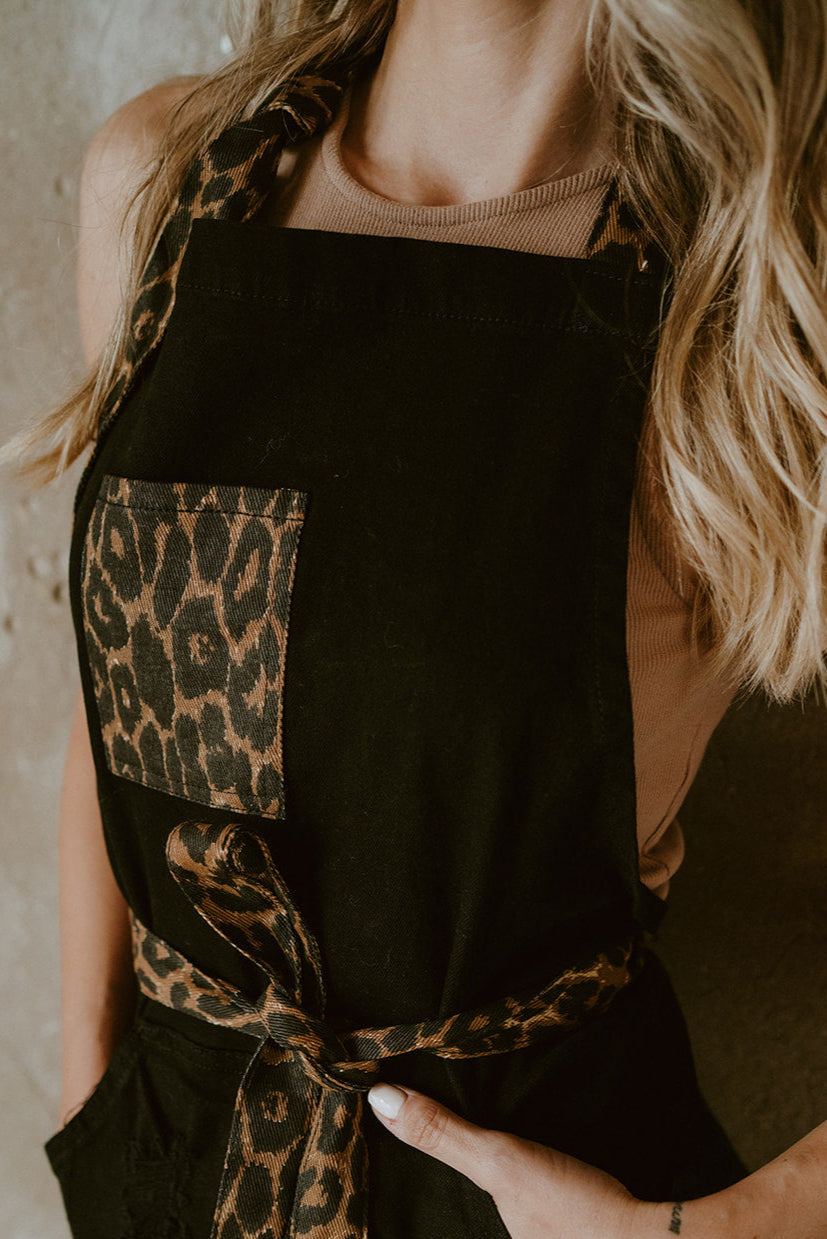
,%20deep%20pockets%20for%20tools%20like%20tweezers%20and%20brushes,%20and%20adjusta...)
Leave a comment
This site is protected by hCaptcha and the hCaptcha Privacy Policy and Terms of Service apply.