

What is the best apron for a cosmetology instructor who teaches all day?
Quick Answer: The best apron for a cosmetology instructor who teaches all day is one with cross-back straps to prevent neck and shoulder fatigue, deep reinforced pockets sized for teaching tools, and material that survives constant bleach exposure and daily washing. Look for a one-size-fits-all design that moves easily between demonstration and hands-on coaching without shifting or binding.
Teaching cosmetology is harder on your body—and your apron—than working a solo chair. You're moving constantly: bending over students, demonstrating cuts and color on mannequins, pulling out shears and brushes dozens of times a day, and walking into chemical zones where bleach mist hangs in the air. Most salon aprons are designed for stylists who work in one spot. They fail instructors fast.
Here's what actually matters when you're on your feet teaching for eight hours straight.
Why Cross-Back Straps Are Non-Negotiable for All-Day Teaching
Traditional around-the-neck apron straps create a single point of tension. After an hour of leaning over students to correct hand positions or demonstrate sectioning, that strap digs into your cervical spine. By midday, you're adjusting it every ten minutes. By the end of the week, you have a headache that won't quit.
Cross-back straps distribute weight across your shoulders and upper back—the muscle groups built to carry load. The difference is measurable: instructors who switch report eliminating end-of-day neck pain within the first week. When you're demonstrating a balayage placement or holding a blow dryer over a mannequin for fifteen minutes, that biomechanical advantage compounds.

The cross-back also stays in place. When you pivot from the color station to the cutting floor, the apron moves with you instead of twisting or riding up. That stability matters when you're carrying expensive shears in your pocket and students are watching your every move.
Material Science: What Survives the Cosmetology Classroom
Teaching exposes your apron to every chemical in the curriculum simultaneously. One student is mixing bleach, another is working with permanent color, a third just knocked over a bowl of toner. Your apron needs to handle all of it without staining, stiffening, or falling apart after a semester of daily washing.
| Material | Bleach Resistance | Durability | Best For |
|---|---|---|---|
| 100% Cotton Canvas | Poor — bleach eats fabric, creates holes | Frays at stress points within 6 months | Light-duty cutting classes only |
| Poly-Cotton Blends | Moderate — stains permanently, weakens over time | Holds up 1–2 semesters with fading | Mixed-use classrooms with some color work |
| Organic Cotton Stretch Denim | Good — stain-resistant finish, machine washable, softens with age | 2+ years of daily teaching use | Instructors teaching cut, style, and moderate color |
| 100% Bleach-Proof Vegan Leather | Excellent — bleach, toner, color wipe off in seconds, never stains | 3+ years in high-chemical environments | Color theory, advanced techniques, all-day chemical exposure |
If you teach primarily cutting and styling with occasional color demos, organic cotton stretch denim delivers. It breathes during long days, resists most stains, and survives weekly machine washing. The fabric softens over time instead of stiffening, so it's more comfortable in year two than month one.
If you teach color theory, balayage, or any curriculum where students mix chemicals daily, 100% bleach-proof vegan leather is the only material that holds up. Bleach literally wipes off the surface. No absorption, no staining, no degradation. At the end of class, you wipe it down with a damp cloth and it looks new. After three years of cosmetology instruction, it still looks new.
Pocket Architecture for Teaching Tools
You carry different tools than a booth renter. On any given day, you need access to:
- Multiple shear sets: texturizing shears, blunt-cut shears, student loaners when someone forgets theirs
- Color tools: brushes, bowls, gloves, foils
- Sectioning tools: clips, combs, tail combs
- Your phone: for reference photos, timers, and answering the program director mid-class
- A pen: because you're grading practicals and filling out competency checklists
Shallow pockets designed for a single pair of shears don't cut it. You need deep, reinforced front pockets with internal structure that keeps tools organized and accessible. When a student asks to borrow your texturizing shears while you're mid-demonstration, you should be able to grab them without looking.

The pocket placement also matters. Front pockets that sit too low bang into student stations when you lean over to check their work. Pockets positioned at mid-torso keep tools secure and out of the way during close coaching.
One Size Fits All: Why It Matters in Education
You're not just buying an apron for yourself. You're modeling professional standards. When students see their instructor in a well-made, properly fitted apron every day, it reinforces the expectation that this is work attire, not an afterthought.
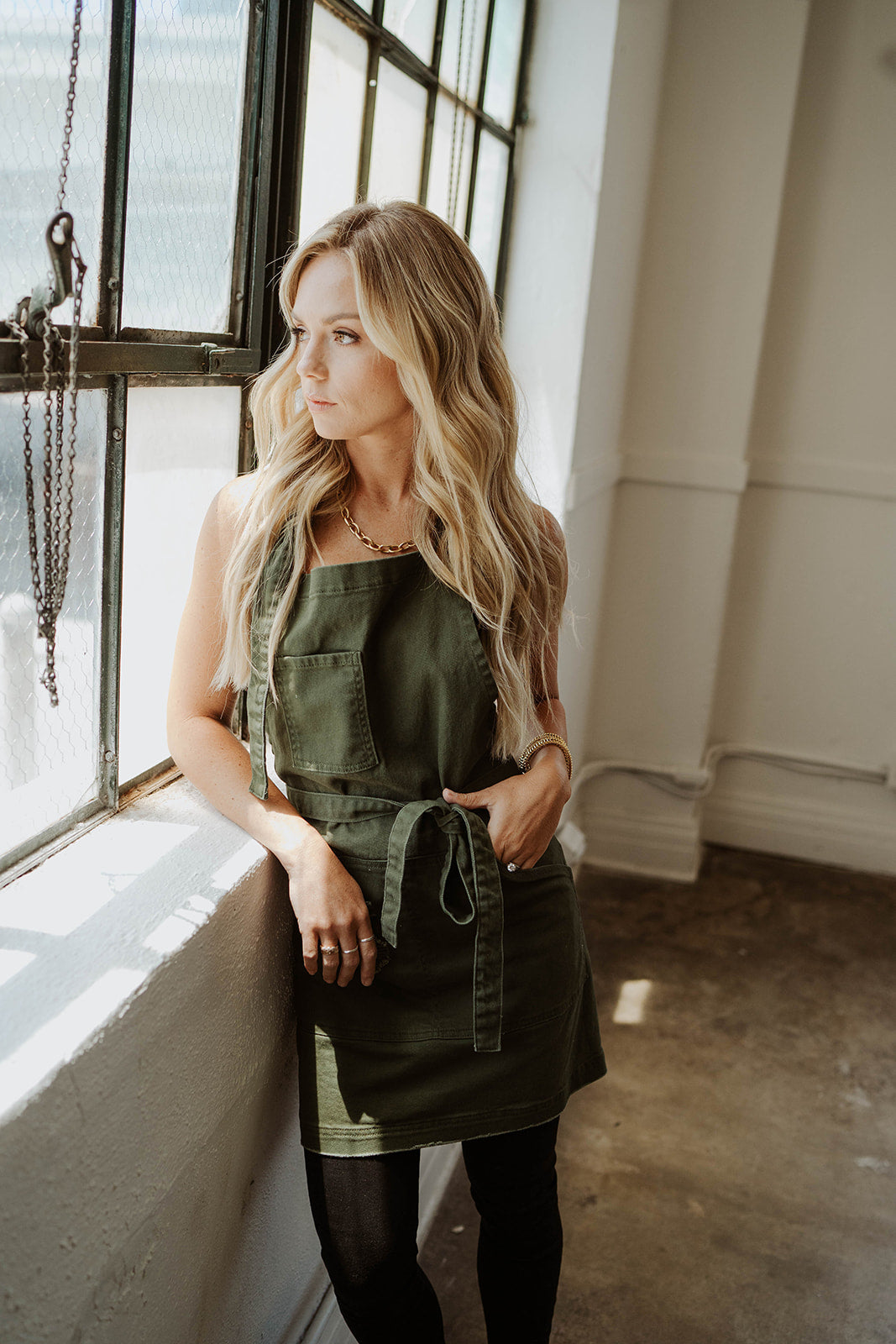
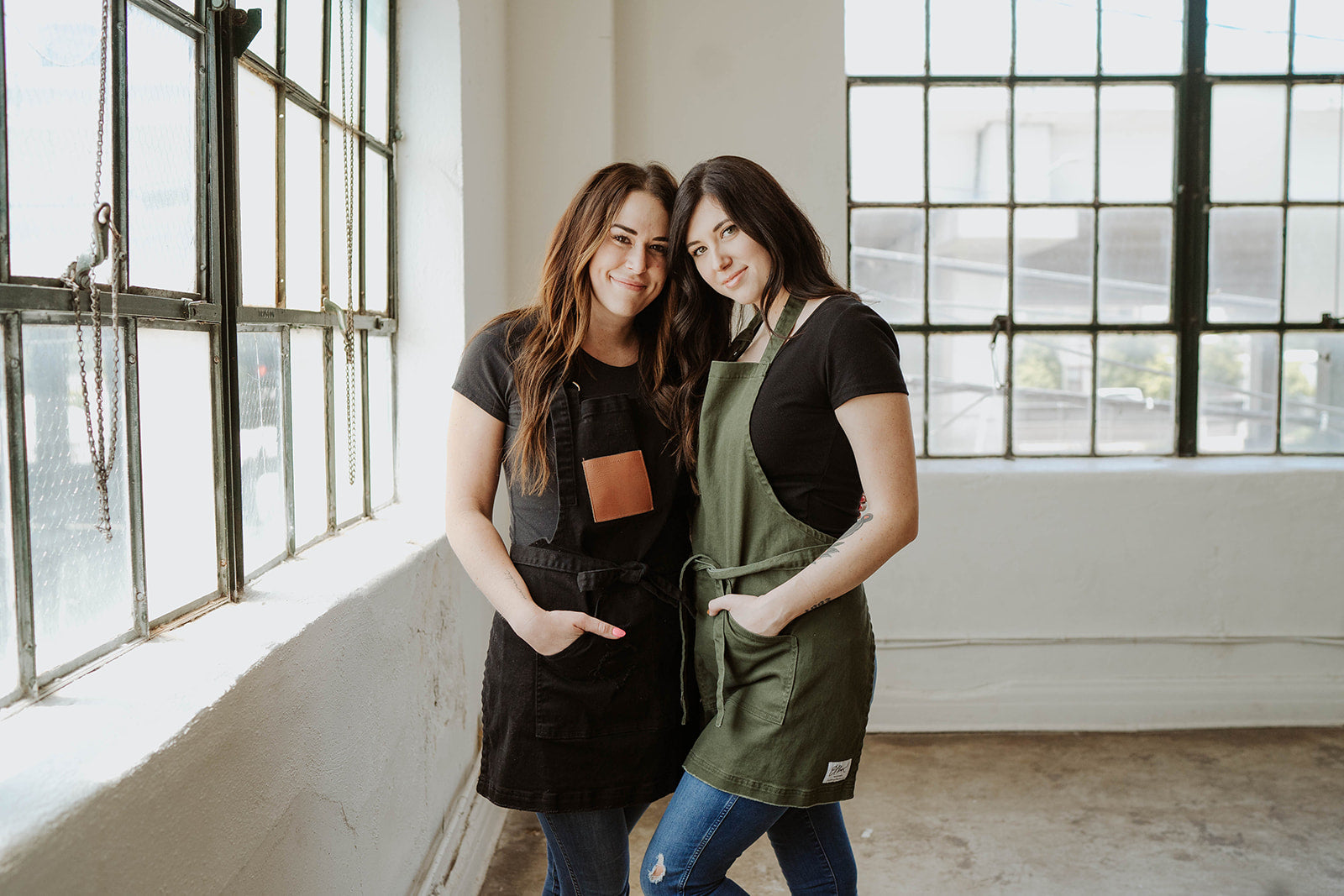
One-size-fits-all designs with adjustable cross-back straps and tie waists fit instructors of all body types without the awkward conversation about sizing. Male and female instructors, petite and plus-size, all wear the same model. That universality also makes it easier to outfit teaching assistants or recommend a specific apron to students without playing a guessing game on measurements.
The adjustability also accommodates layering. Teaching in a climate-controlled classroom in summer is different from a drafty studio in January when you're wearing a cardigan under your apron. Adjustable straps and a wrap-tie waist adapt to both without cutting off circulation or gaping.
What Cosmetology Instructors Actually Recommend
After talking to instructors at beauty schools across the country, three styles come up repeatedly for full-time teaching:
For color-focused programs: Full Black Leather
The Full Black Leather apron is 100% bleach-proof vegan leather. Lightener doesn't stain it. Toner doesn't stain it. Permanent color in every shade from jet black to copper red wipes off with a wet towel. Instructors teaching advanced color techniques—balayage, color correction, vivid formulation—report this apron lasting three-plus years of daily chemical exposure without visible wear. At $99, it pays for itself in the first semester when you're not replacing a stained canvas apron every few months.
For well-rounded curriculums: Navy Pinstripe
The Navy Pinstripe apron in 100% organic cotton stretch denim balances durability and breathability. It's the choice for instructors teaching cut, color, and style in equal measure. The stain-resistant finish handles color splatter and chemical mist better than standard denim, and the fabric softens with every wash instead of getting stiff and uncomfortable. The pinstripe pattern also hides minor stains that do set in, so you look polished even after a chaotic lab day.
For cutting and styling specialists: Black Acid Washed Denim
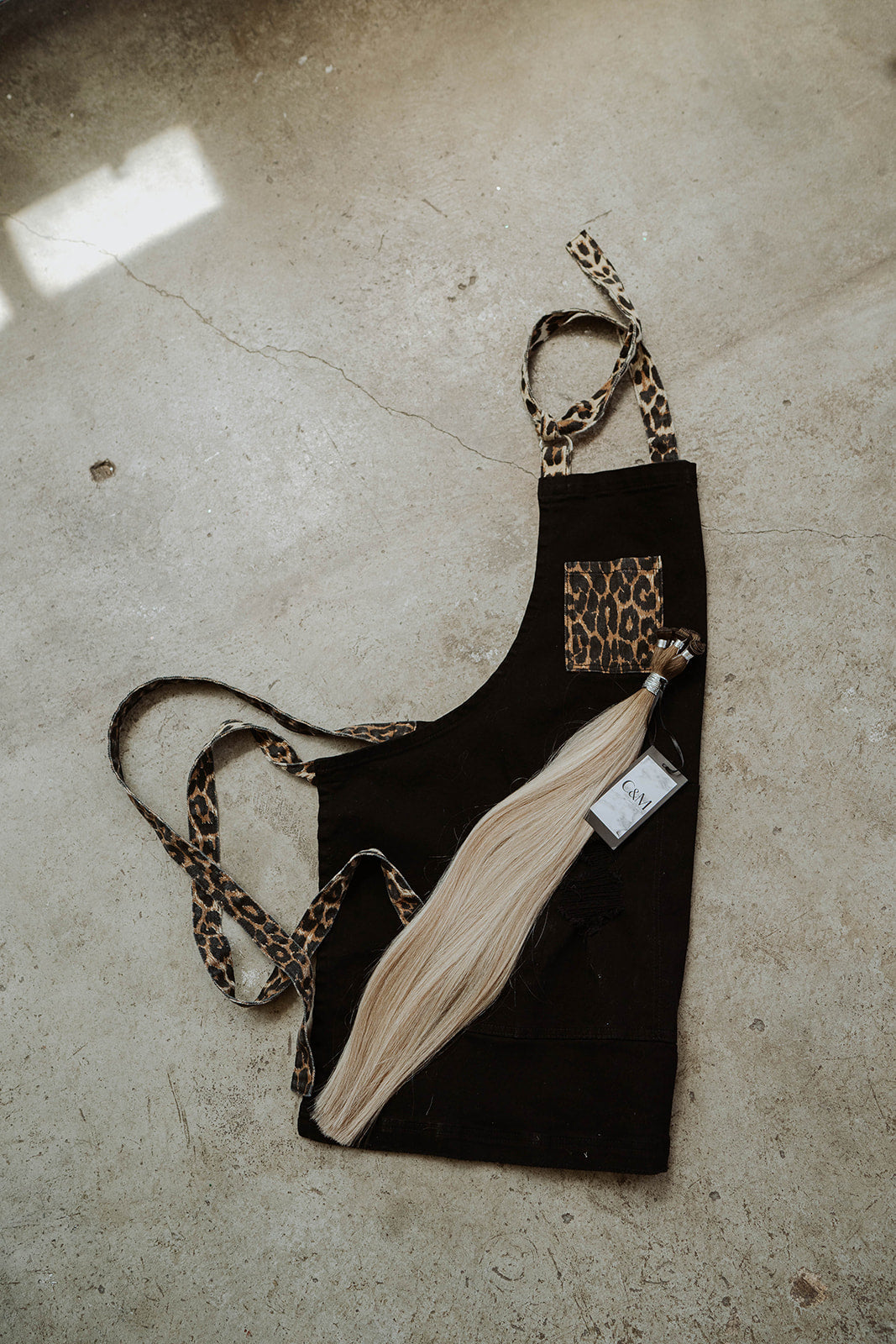
The Black Acid Washed Denim apron delivers a professional, lived-in look from day one. The acid wash texture camouflages the inevitable wear of teaching—small snags from catching on station corners, faint marks from repeated tool use. Instructors who teach primarily haircutting, texturizing, and dry styling prefer this for its aesthetic and its ability to hide the realities of hands-on education.

Why Cheap Aprons Cost More in the Long Run
A $25 apron from a uniform supplier seems budget-friendly until you replace it three times in a school year. The math is simple: three $25 aprons over nine months costs $75. A single $79 professional-grade apron lasts two years or more, bringing the per-semester cost down to under $20. You also avoid the hassle of reordering, breaking in a new apron every few months, and the unprofessional look of wearing a visibly degraded apron in front of students.
Quality materials and construction also mean fewer mid-class failures. Poorly reinforced pockets rip when you're carrying a full tool load. Cheap straps snap when you bend over a mannequin for the fiftieth time that day. Those failures don't happen during your lunch break—they happen in front of twenty students during a high-stakes practical exam.
The Bottom Line
The best apron for a cosmetology instructor prioritizes ergonomics, material durability, and tool capacity over fashion. Cross-back straps eliminate neck strain during all-day teaching. Bleach-proof vegan leather survives years of chemical exposure in color-heavy programs, while organic cotton stretch denim offers breathability and longevity for mixed curriculums. Deep, reinforced pockets keep teaching tools organized and accessible during constant movement between students.
An apron that fits well, holds up to daily washing, and looks professional after a year of hard use isn't an indulgence—it's a tool that protects your body, your clothes, and your credibility in the classroom.
FAQ
What apron material is best for teaching color theory classes?
100% bleach-proof vegan leather is the only material that survives daily bleach, toner, and color exposure without staining or degrading. In a color theory classroom, you're exposed to every chemical in the curriculum simultaneously, often multiple times per day. Vegan leather wipes clean in seconds and looks new after years of use, making it the most cost-effective choice for color-focused instruction.
Do cosmetology instructors need cross-back aprons?
Yes. Cross-back straps distribute weight across your shoulders and upper back instead of creating a single point of tension on your neck. When you're leaning over students for eight hours a day to demonstrate techniques and correct form, that biomechanical advantage prevents chronic neck pain and end-of-day headaches that around-the-neck straps cause.
Can one apron fit both male and female cosmetology instructors?
Properly designed one-size-fits-all aprons with adjustable cross-back straps and tie waists fit men and women across all body types. The adjustability accommodates height differences, torso length variations, and seasonal layering without requiring separate sizing charts. This universality is especially useful in educational settings where you may outfit teaching assistants or recommend aprons to students.
How long should a cosmetology instructor apron last?
A professional-grade apron should last at least two full academic years of daily teaching use. Organic cotton stretch denim aprons typically last 2–3 years with proper care. 100% bleach-proof vegan leather aprons often exceed three years even in high-chemical environments. If you're replacing your apron every semester, you're using the wrong material or construction quality for the demands of full-time instruction.
Explore the full collection at J. Clark Designed.
```

Leave a comment
This site is protected by hCaptcha and the hCaptcha Privacy Policy and Terms of Service apply.