
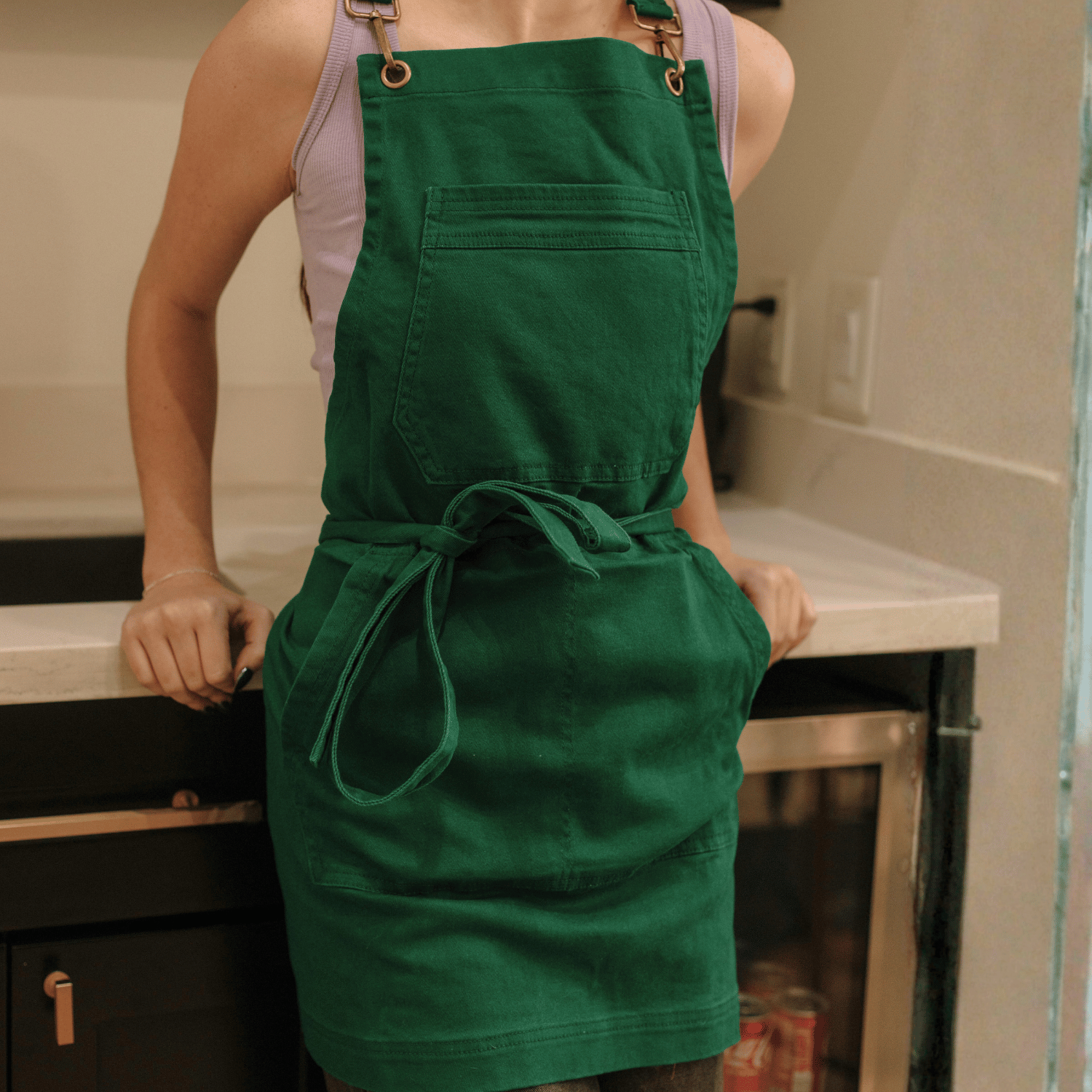

Do darker colored aprons hide stains better than lighter ones in a salon?
Quick Answer: Dark aprons hide stains better than light ones in the short term — bleach splatter, toner drips, and color smudges are less visible on navy or black fabric. But visibility is only half the equation. The real question is whether the stain comes *out*, and that depends entirely on the material, not the color. A light-colored apron made from bleach-proof vegan leather will stay cleaner over its lifetime than a dark cotton apron that absorbs and holds pigment.

Why Dark Aprons Hide Stains (Temporarily)
Dark fabric masks visual contrast. When blue-black toner hits a black apron, the stain blends into the base color. When it hits a white or cream apron, it announces itself immediately. This is why most salon professionals gravitate toward charcoal, navy, or black when shopping for a salon apron.
The camouflage effect works especially well for:
- Splatter and overspray: Fine mists from color application or toner sprays that land on dark fabric become nearly invisible.
- Oxidized color stains: The purple, blue, or green tones left by permanent color often blend into darker base colors.
- Professional appearance between clients: A dark apron looks cleaner longer in a high-traffic salon, even if it's holding just as much pigment as a lighter one.
But here's the catch: hiding a stain and removing a stain are two different problems. A dark apron that absorbs bleach, toner, or color into its fibers will eventually stiffen, fade unevenly, and develop that telltale chemical smell — even if you can't see the damage at first glance.
The Material Matters More Than the Color
Color is a cosmetic solution. Material is structural. A dark cotton apron will hide stains visually, but cotton *absorbs* liquids. Once bleach or ammonia-based color soaks into the fiber, it begins breaking down the fabric itself. Over time, you'll see:
- Uneven fading: Dark denim or canvas develops lighter patches where bleach has weakened the dye.
- Stiffening and pilling: Repeated chemical exposure degrades cotton fibers, making the apron rough and uncomfortable.
- Permanent odor: Absorbed chemicals linger even after washing, especially in humid environments.
Now compare that to 100% bleach-proof vegan leather. Bleach, toner, and color sit on the *surface* — they don't penetrate. You wipe them off with a damp cloth in seconds. The apron looks identical after six months of daily color work because the material is chemically inert. The stain never happened in the first place.
| Material | Dark Color Hides Stains? | Stain Removal | Longevity |
|---|---|---|---|
| Standard cotton (dark) | Yes — temporarily | Absorbs; requires hot wash, fades unevenly | 6–12 months before breakdown |
| Standard cotton (light) | No — shows everything | Absorbs; often permanently stained | 3–6 months before visible damage |
| Stretch denim (dark or light) | Dark hides better short-term | Stain-resistant finish; machine washable | 2+ years with proper care |
| 100% bleach-proof vegan leather | Irrelevant — wipes clean instantly | Surface-only; wipe with damp cloth | 5+ years, no degradation |
When Dark Color Actually Helps (and When It Doesn't)
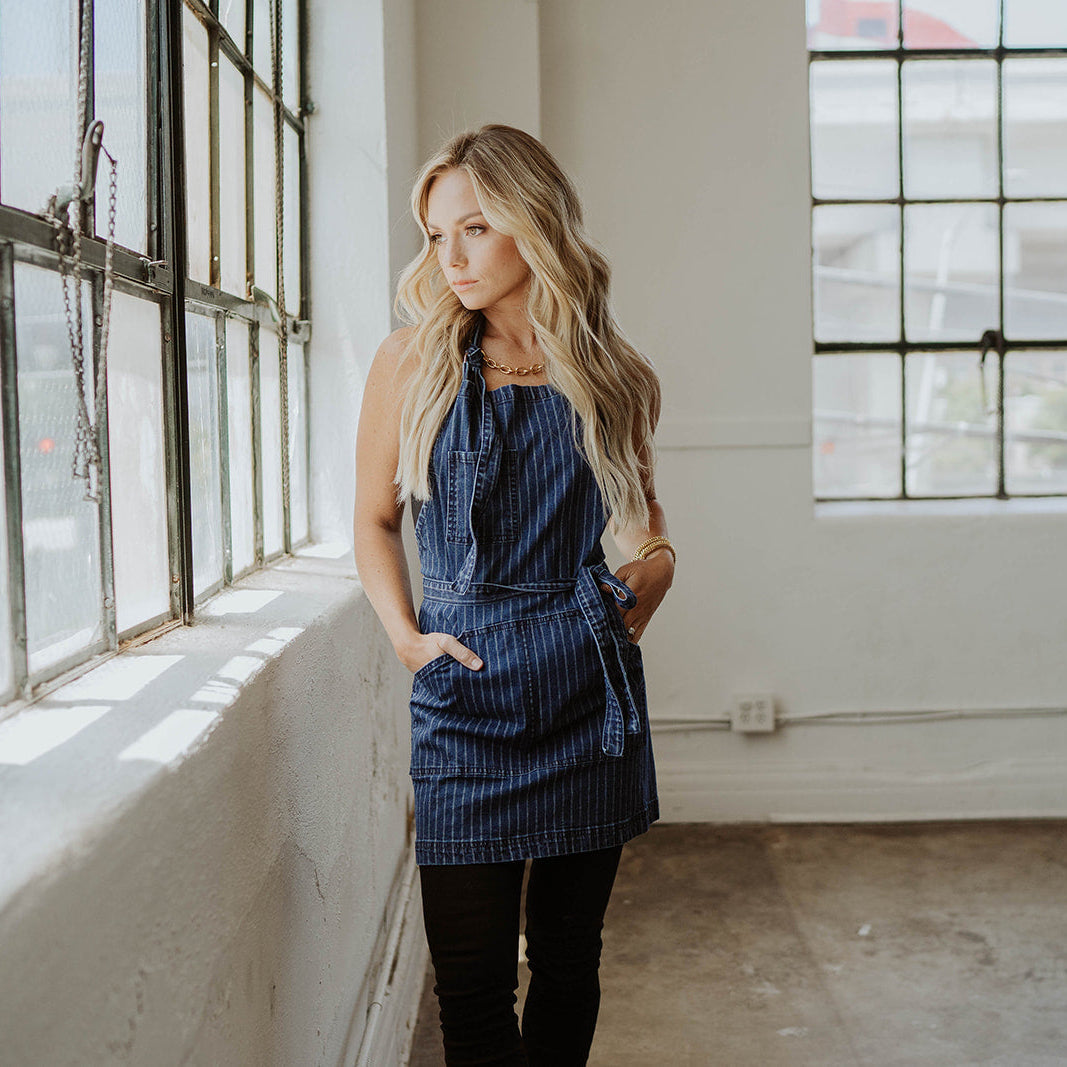
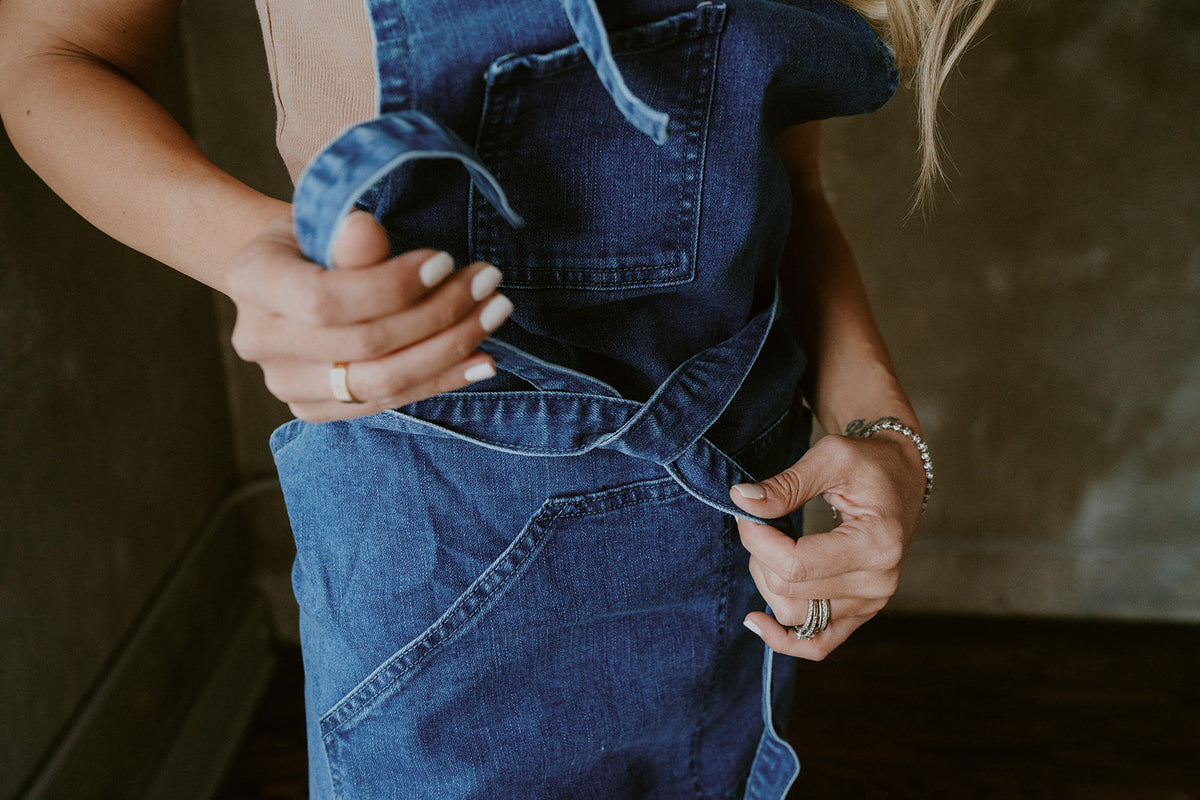
If you're working in a lower-chemical environment — a barbershop focused on dry cuts, a tattoo studio, a coffee bar — a dark barber apron in stretch denim will serve you well. The stain-resistant finish on 100% organic cotton stretch denim sheds most liquids, and the dark color keeps the apron looking professional between washes.
But if you're a colorist running balayage back-to-back, or a barber doing skin fades with Andis spray, or a bartender working with red wine and bitters, dark color alone won't save you. You need a material that repels at the molecular level.

The Cross-Back Design Advantage for Long Shifts
Stain visibility is one concern. Neck and shoulder fatigue is another — and it compounds when you're wearing a heavy, chemically saturated apron all day. Traditional around-the-neck straps concentrate the apron's weight on your cervical spine and trapezius muscles. Add the weight of tools in the pockets, and you're setting yourself up for chronic tension.
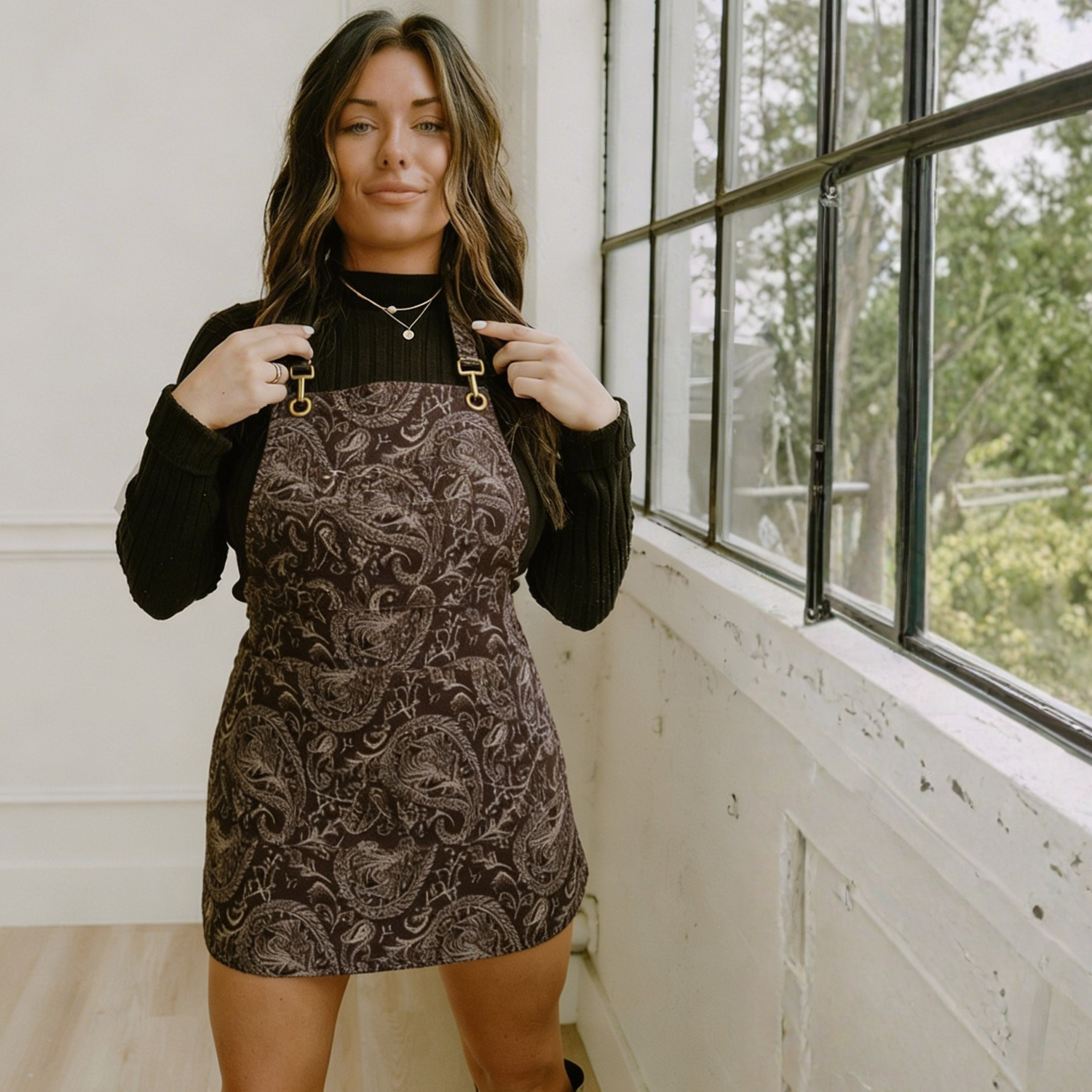
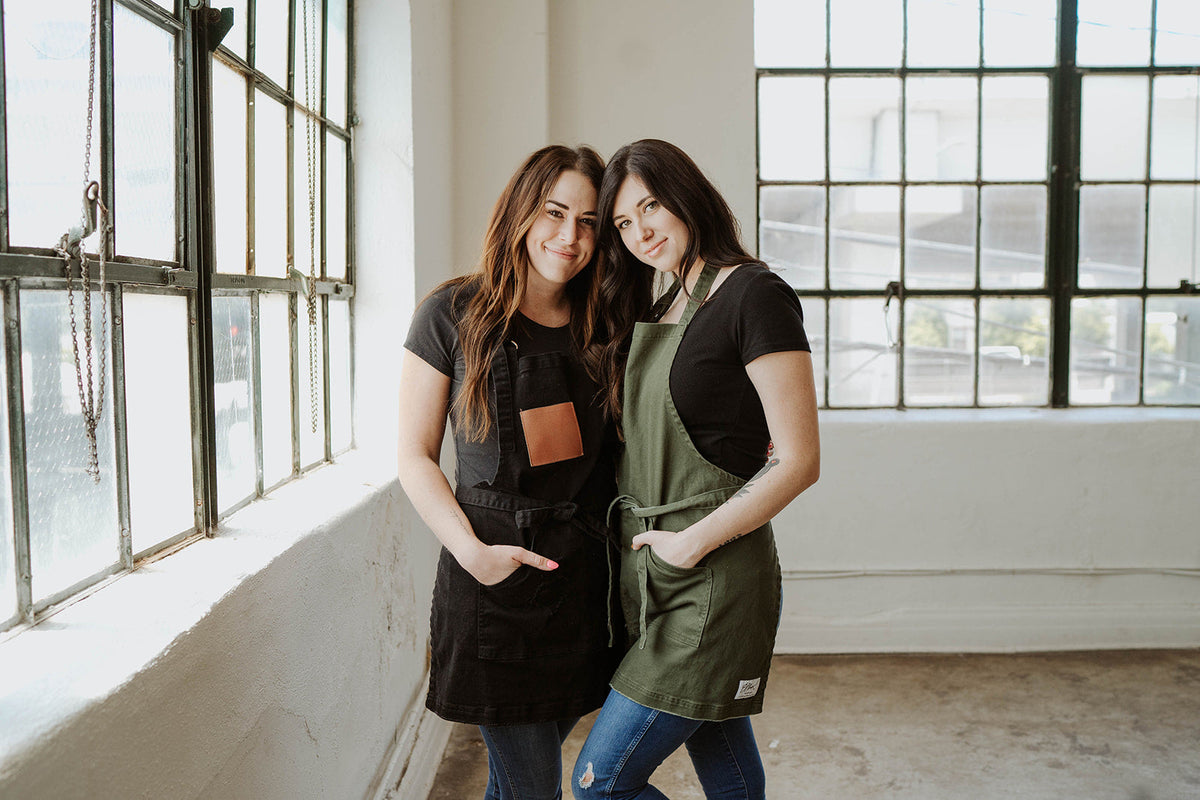
J. Clark Designed's signature cross-back straps distribute weight across the shoulders and upper back. The X-pattern stabilizes the apron without pulling forward on your neck. After an eight-hour color day, that structural difference is measurable — less headache, less upper-back tightness, better posture at the chair.
This matters for stain management, too. A comfortable apron is one you'll actually wear consistently. If your current apron digs into your neck or rides up while you move, you're more likely to skip it on "light" days — and that's when accidents happen.
Recommendations by Use-Case
For High-Volume Color Work: Full Black Leather
If you're doing 6+ color services a day — highlights, root touch-ups, color corrections — the Full Black Leather apron is the only rational choice. 100% bleach-proof vegan leather means bleach literally wipes off. No staining, no fading, no fabric breakdown. The black color is a bonus for professional appearance, but the material is doing the real work. $99, and it will outlast three cotton aprons.
For Barbershops and Dry Cutting: Black Acid Washed Denim
Barbers working primarily with clippers, trimmers, and dry shears don't face the same chemical load as colorists. The Black Acid Washed Denim apron offers a rugged, lived-in look with serious durability. The stretch denim is breathable, machine washable, and the stain-resistant finish handles hair product, light oils, and the occasional spray. The acid wash gives each apron a unique finish, so even light fading over time looks intentional. $69.
For Estheticians and Spa Work: Cocoa Brown Leather
Estheticians working with waxes, serums, peels, and oils need something that wipes clean but doesn't look clinical. The Cocoa Brown Leather apron gives you the same bleach-proof performance as the black leather, but in a warmer, earthier tone that complements spa and wellness aesthetics. Wax drips and oil splatter wipe off instantly. $99.

How to Extend the Life of Any Apron (Regardless of Color)
Even the best material benefits from proper care. Here's how to maximize longevity:
- Wipe down between clients: Don't let bleach or toner sit on fabric — even stain-resistant fabric. A quick wipe after each service prevents buildup.
- Machine wash stretch denim aprons in cold water: Hot water can degrade the stain-resistant finish over time. Cold wash, tumble dry low.
- For vegan leather, use a damp cloth only: No machine washing necessary. Wipe the surface, hang to dry. That's it.
- Rotate two aprons if you work six days a week: Giving each apron a rest day between washes extends the fabric's recovery time and prevents premature wear.
The Bottom Line
Dark aprons hide stains better than light aprons in the same material — that's simple physics. But the stain is still *there*, and if the material absorbs it, you're just delaying the visible damage. The smarter strategy is to choose a material that doesn't stain in the first place, then select the color that fits your aesthetic.
For colorists, estheticians, and anyone working with bleach or aggressive chemicals daily, 100% bleach-proof vegan leather is the definitive answer. For barbers, tattoo artists, and lower-chemical environments, stain-resistant stretch denim in a dark wash delivers years of service. Either way, cross-back straps keep you comfortable through long shifts.
J. Clark Designed aprons are backed by 1,444+ verified reviews and a 4.8/5 rating because they solve real problems for real professionals. One size fits all, adjustable straps, deep reinforced pockets, free shipping on every order.
FAQ
Do black aprons show bleach stains?
Yes — bleach lightens dark fabric, leaving orange or yellow splotches on cotton or standard denim. The only way to prevent visible bleach stains on a black apron is to use a material bleach can't penetrate, like 100% bleach-proof vegan leather. On that material, bleach sits on the surface and wipes off without altering the color.
What color apron is best for a hair salon?
The best color depends on your services. For colorists working with bleach and toner daily, black or cocoa brown in 100% bleach-proof vegan leather offers instant cleanup and long-term durability. For stylists doing cuts and blowouts with occasional color, dark denim (navy, black, charcoal) hides minor stains while remaining breathable and machine washable.
Can you machine wash a salon apron?
You can machine wash stretch denim aprons in cold water and tumble dry on low. The stain-resistant finish holds up for years with proper care. Do not machine wash 100% vegan leather aprons — those are wipe-clean only. A damp cloth removes all surface stains in seconds, and the material never needs laundering.
How long do professional aprons last?
Standard cotton aprons last 6–12 months in a high-chemical salon environment before fading and stiffening. J. Clark Designed stretch denim aprons last 2+ years with regular machine washing. The 100% bleach-proof vegan leather aprons last 5+ years with no degradation, because chemicals never penetrate the material. The cross-back strap design also reduces wear from neck strain, extending overall usability.
Explore the full collection at J. Clark Designed.
```

Leave a comment
This site is protected by hCaptcha and the hCaptcha Privacy Policy and Terms of Service apply.