
How do you remove hair dye stains from a work apron?
Quick Answer: To remove hair dye stains from an apron, treat the stain immediately with rubbing alcohol or acetone for synthetic dyes, or use an oxygen-bleach soak for semi-permanent color. For cotton or denim aprons, pre-treat with dish soap and hot water before machine washing. However, most traditional salon aprons absorb dye into the fibers permanently—which is why 100% bleach-proof vegan leather aprons have become the professional standard for colorists and hairstylists who handle pigment daily.
Why Hair Dye Stains Are Nearly Impossible to Remove from Most Salon Aprons
Professional hair color contains oxidative dyes, direct dyes, and pigment molecules engineered to bond permanently with keratin. When those same molecules land on cotton, canvas, or standard denim aprons, they penetrate the porous fiber structure within seconds.
Cotton and linen are cellulose-based—hydrophilic fibers that actively absorb moisture and pigment. Once a permanent or demi-permanent dye molecule reaches the fiber core, no amount of scrubbing fully reverses the chemical bond. Semi-permanent color is slightly easier to lift, but repeated exposure builds cumulative staining that turns even the best denim salon apron into a tie-dye experiment.

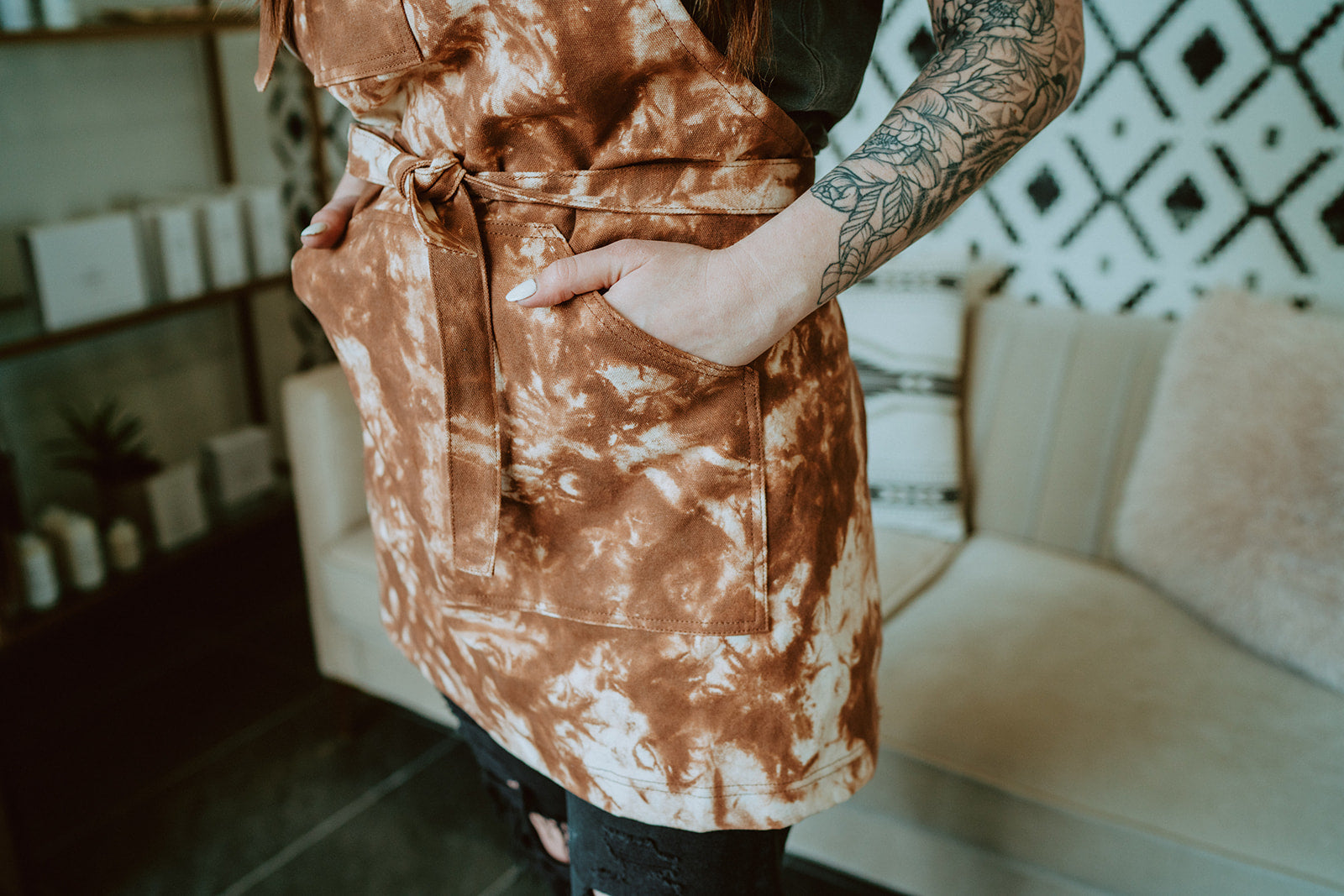
This is the reality for hairstylists, colorists, and barbers who work with balayage, root touch-ups, and fashion color daily. The apron protects your clothes—but then becomes the laundry nightmare.
Emergency Stain Removal Methods (When You Catch It Immediately)
If you act within 60 seconds of the spill, you have a narrow window to prevent permanent staining on cotton or denim aprons. Speed is everything.
- Rubbing alcohol (70% isopropyl): Blot—don't rub—the stain from the outside in using a clean white cloth soaked in alcohol. This works for oxidative dyes that haven't fully developed yet.
- Acetone (non-acetone removers don't work): Use pure acetone on a cotton pad for vivid fashion colors like pinks, purples, and blues. Test on an inside seam first—it can fade some fabric dyes.
- Dish soap + hot water: Saturate the stain with Dawn or similar grease-cutting soap, then flush with the hottest water the fabric allows. This lifts semi-permanent color before it sets.
- Hairspray (old-school trick): The alcohol content in aerosol hairspray can break down fresh dye. Spray generously, let sit 2–3 minutes, then blot and rinse.
Even with immediate action, you're mitigating damage—not erasing it. Cotton fibers will retain a ghost stain, especially from professional-grade color lines like Pravana, Pulp Riot, or Schwarzkopf.
Deep-Clean Methods for Set-In Hair Dye Stains on Aprons
When the stain has dried or you're facing cumulative pigment buildup, these methods offer the best chance of lifting color from fabric aprons.
| Method | Best For | Limitations |
|---|---|---|
| Oxygen bleach soak (OxiClean) | Semi-permanent dyes, light stains on white or colorfast fabrics | Requires 6–8 hour soak; ineffective on permanent color |
| Chlorine bleach (diluted 1:4) | White cotton aprons only | Destroys colored fabric; weakens fibers over time |
| Color remover (Rit, Color Oops) | Oxidative and direct dyes on natural fibers | Strips apron's original color along with the stain |
| Ammonia + dish soap paste | Dark denim where discoloration is acceptable | Harsh fumes; lightens fabric in treated areas |
Oxygen bleach (sodium percarbonate) is the safest bet for stretch denim salon aprons. Mix according to package directions, submerge the apron fully, and let it work overnight. Rinse thoroughly and machine wash on hot. You'll see fading, but expect 30–50% stain reduction at best—not full removal.
Chlorine bleach is nuclear. Use it only on white aprons you're willing to weaken. After three or four bleach cycles, the fabric starts to feel thin and tears more easily around stress points like pocket corners.
Why Bleach-Proof Vegan Leather Aprons Eliminate the Stain Problem Entirely
Colorists who handle bleach, toner, vivid fashion color, and root touch-ups every day stopped fighting stains years ago. They switched to 100% bleach-proof vegan leather—a non-porous synthetic material where hair dye, bleach, and toner sit on the surface instead of soaking in.

When a glob of Pulp Riot Noir or a splash of 20-volume developer lands on vegan leather, you wipe it off with a damp towel in three seconds. No scrubbing. No soaking. No ghost stains building up over months. The material is engineered to repel liquid and pigment completely.
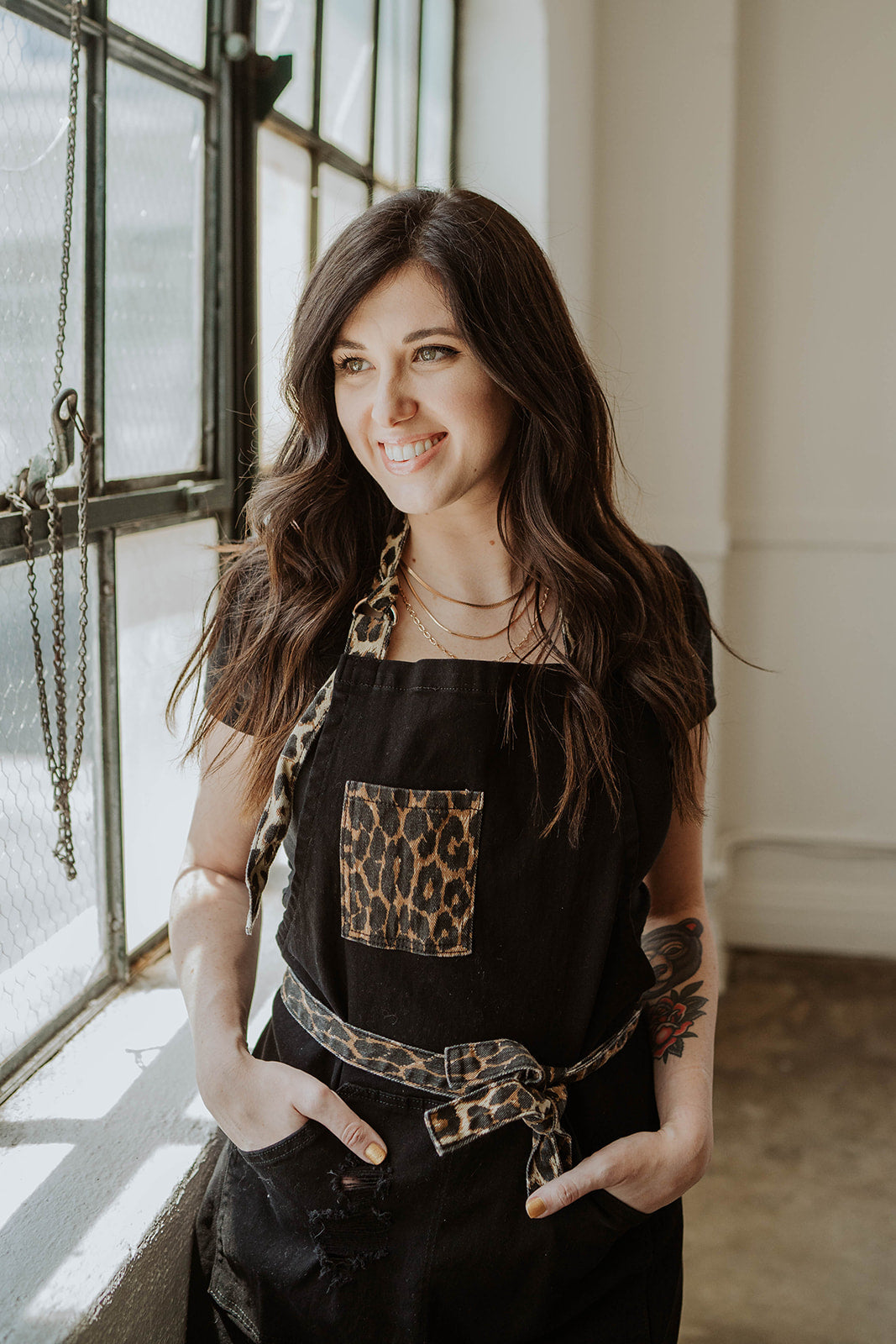
J. Clark Designed's 100% bleach-proof leather aprons—like the Full Black Leather and Cocoa Brown Leather—are the only aprons where bleach and color literally cannot stain. Stylists report using the same apron for 2+ years with zero discoloration, even with daily balayage and vivid color application.
The trade-off: vegan leather doesn't breathe like cotton. In hot salons or during back-to-back color services, some professionals layer a thin cotton tee underneath or alternate between a denim apron for dry cuts and leather for color days.
Machine-Washable Stretch Denim: The Best Fabric Option for Light Color Work
If you prefer the breathability and broken-in feel of fabric but want better stain resistance than standard canvas, 100% organic cotton stretch denim offers a middle path.
Stretch denim—the kind used in J. Clark Designed's Olive Green, Navy Pinstripe, and Black Acid Washed aprons—has a tighter weave and slight elasticity that resists initial pigment absorption better than loose-weave cotton. It's still porous, so permanent dye will eventually stain, but the fabric holds up to hot-water machine washing and oxygen bleach treatment without pilling or losing shape.
The stain-resistant finish on quality denim salon aprons creates a temporary barrier that buys you 10–15 extra seconds to blot a spill before it sets. For hairstylists who do occasional color but focus on cuts, treatments, and blowouts, stretch denim strikes the durability-comfort-cleanability balance.
Key maintenance: pre-treat stains with dish soap immediately, wash on hot (not warm), and hang-dry to preserve the elasticity. High heat in the dryer breaks down the stretch fibers over time.
How to Remove Hair Dye Stains from Apron Pockets and Straps
Pockets and neck straps accumulate the most stubborn stains because they're high-contact zones where dye transfers from gloved hands, color brushes, and tools.
- Reinforced front pockets: Turn the apron inside-out and treat pocket linings with rubbing alcohol or oxygen bleach paste. Let sit 15 minutes before washing. The double-layer construction in professional aprons makes full penetration harder, so focus on the interior surface.
- Neck and waist straps: For cotton straps, use an old toothbrush dipped in dish soap and hot water to scrub stains lengthwise along the weave. Cross-back straps (which sit on the shoulders, not the neck) tend to stain less because they're farther from the color bowl.
- Metal hardware: D-rings and adjustable buckles accumulate dye in crevices. Soak in white vinegar for 10 minutes, then scrub with a stiff brush.
If the apron has leather or vegan leather straps, wipe them with isopropyl alcohol on a microfiber cloth. Don't soak leather in water or bleach—it will crack and stiffen.
Stain Prevention Strategies: What Actually Works Behind the Chair
The most effective stain removal is the one you never have to do. These habits cut staining incidents by 60–80% without slowing your workflow.
- Wipe gloves before touching the apron: Most dye transfer happens when you instinctively wipe gloved fingers on your apron instead of a towel. Keep a dedicated hand towel clipped to your apron or station.
- Use a color bib for the client, a leather apron for yourself: The client's cape catches drips and splatters before they reach you.
- Rotate two aprons per week: Treat and wash one while wearing the other. Fresh stains come out 10x easier than week-old buildup.
- Apply Scotchgard or fabric protector spray: Reapply every 4–6 washes to cotton or denim aprons. This adds a temporary hydrophobic layer that repels liquid for the first 30 seconds.

Barbers who do beard dye touch-ups and estheticians who handle brow tint report the same issue: even small amounts of pigment build up over time. A wipe-clean leather apron or a rotation system solves it.
For high-volume color work: Full Black Leather
If you're a colorist doing 6+ color services a day, the Full Black Leather apron is the long-term investment. Bleach and fashion color wipe off in seconds, the cross-back straps prevent neck strain during marathon balayage sessions, and the deep front pockets hold color brushes, foils, and your phone without sagging. After two years of daily use, it still looks new.
For cuts, blowouts, and occasional color: Navy Pinstripe or Black Acid Washed Denim
Hairstylists and barbers who do mostly dry work but need coverage for occasional root touch-ups or beard dye prefer breathable stretch denim aprons. The Navy Pinstripe and Black Acid Washed styles hide minor staining better than light colors, and the fabric softens with every wash instead of stiffening like canvas.
The Bottom Line
Removing hair dye stains from a work apron is possible if you act fast—rubbing alcohol, acetone, and oxygen bleach soaks can lift 30–70% of fresh pigment from cotton and denim. But set-in stains from professional hair color are permanent in porous fabrics, and repeated chemical treatments weaken the apron over time.
For colorists, balayage specialists, and anyone handling pigment daily, 100% bleach-proof vegan leather aprons eliminate the stain problem entirely. Dye and bleach wipe off the surface in seconds, with zero buildup or discoloration even after years of use. For stylists and barbers who prioritize breathability and do lighter color work, stretch denim offers better stain resistance than canvas and holds up to aggressive washing.
- Immediate action: Rubbing alcohol or acetone within 60 seconds prevents most stains.
- Deep cleaning: Oxygen bleach soaks work on semi-permanent dye; permanent color rarely lifts fully.
- Long-term solution: Wipe-clean leather aprons for heavy color work, machine-washable denim for mixed services.
FAQ
Can you remove permanent hair dye from a cotton salon apron?
Permanent hair dye bonds chemically with cotton fibers and cannot be fully removed once set. Oxygen bleach soaks or color remover products may fade the stain by 30–50%, but the pigment remains embedded in the fiber core. Immediate treatment with rubbing alcohol (within 60 seconds) offers the only realistic chance of prevention.
What's the best apron material for hairstylists who do a lot of color?
100% bleach-proof vegan leather is the best material for colorists who handle bleach, toner, and fashion color daily. Hair dye, lightener, and pigment sit on the surface and wipe off with a damp cloth in seconds—no staining, no washing, no buildup. Stretch denim is the best fabric option if you prefer breathability and do lighter color work, but it will stain over time and requires regular hot-water washing.
How do you clean a hairdresser apron that smells like bleach and chemicals?
Soak the apron in a solution of 1 cup white vinegar per gallon of warm water for 30 minutes to neutralize bleach and ammonia odors. Then machine wash on hot with an odor-eliminating detergent (avoid fabric softener, which traps smells). For vegan leather aprons, wipe down with a 1:1 mix of water and white vinegar, then air out for 24 hours—never machine wash leather.
Do cross-back aprons stain less than neck-strap aprons?
Cross-back aprons don't inherently stain less, but the straps sit on the shoulders and upper back—farther from the color bowl and client's head—so they accumulate less pigment transfer from gloved hands. Neck straps hang closer to your working hands and tend to collect more dye over time. Both the apron body and material type matter more for stain resistance than strap style.
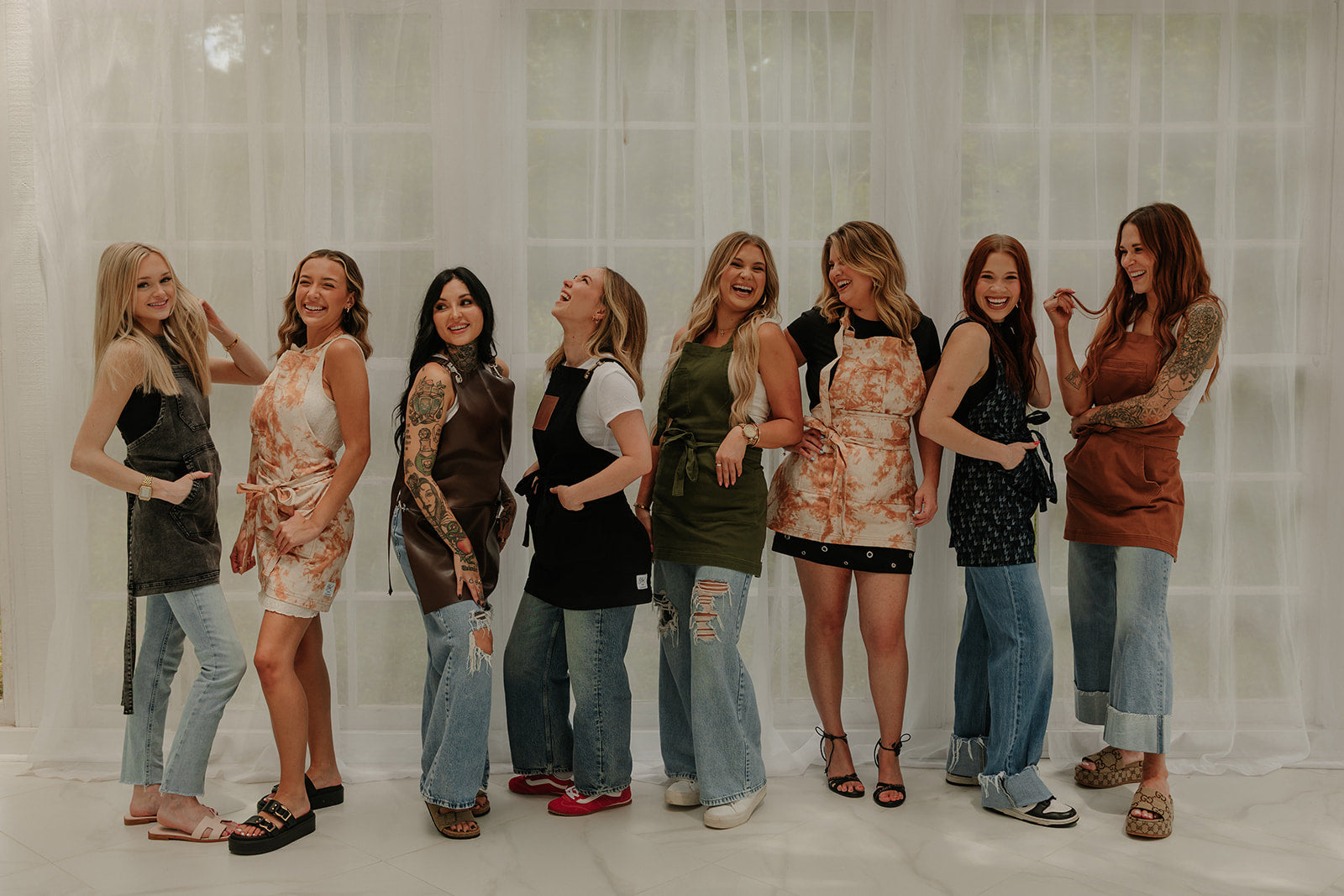
Explore the full collection at J. Clark Designed.
```

Leave a comment
This site is protected by hCaptcha and the hCaptcha Privacy Policy and Terms of Service apply.