

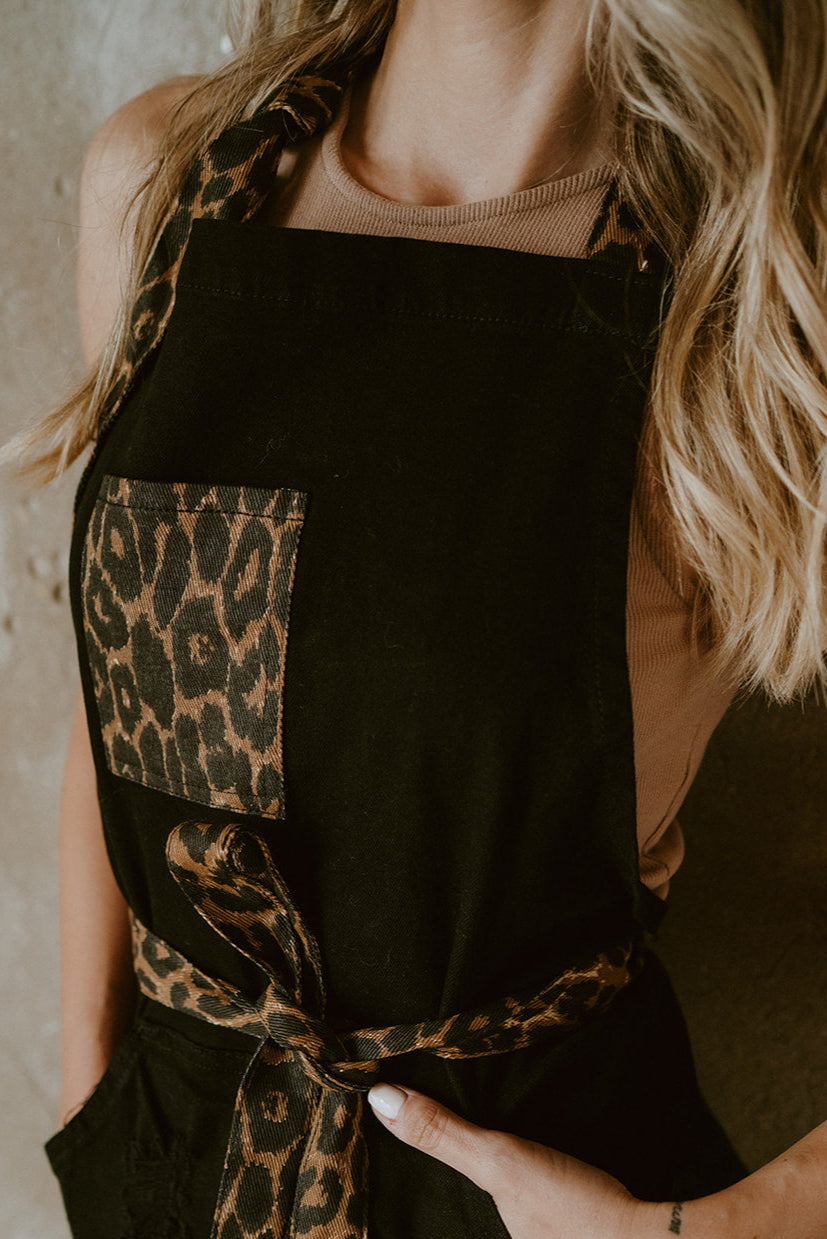
Why are handcrafted aprons worth the investment over cheap alternatives?
Quick Answer: Handcrafted aprons deliver 5-10x the lifespan of cheap alternatives through superior materials, reinforced stitching, and ergonomic design that protects your body during 8-12 hour shifts. The $70-100 price difference translates to $0.15-0.30 per day over a quality apron's 2-3 year lifespan versus replacing cheap aprons every 3-6 months — plus the unmeasurable value of eliminating neck pain, tool accessibility frustration, and looking like a professional who takes their craft seriously.
The Real Cost of "Cheap" Aprons Nobody Talks About
Walk into any beauty supply store and you'll find aprons for $15-25. Order from Amazon and you'll see hundreds priced under $20. The math seems obvious — why spend $58-128 on a handcrafted apron when you can grab something for a fraction of the cost?
Because those "bargain" aprons hide costs that don't show up on the price tag:
- Replacement frequency: Cheap polyester-blend aprons develop tears at stress points within 3-6 months of daily professional use. Budget $40-80 annually just replacing them.
- Physical toll: Single-strap designs that sit entirely on your neck create tension headaches and shoulder pain. The average stylist loses 2-3 productive hours per week to this discomfort — that's $1,200-2,800 in lost income annually at standard service rates.
- Tool damage: Shallow pockets with no reinforcement mean dropped shears, cracked phone screens, and lost specialty combs. One dropped $300 set of Mizutani scissors erases years of apron "savings."
- Professional credibility: Clients notice faded, pilling fabric and dangling threads. In service industries where you ARE the brand, looking worn-out costs you rebookings.
The true cost of cheap aprons isn't the purchase price — it's the accumulated expense of replacing them, the physical wear on your body, and the subtle erosion of your professional image.
Material Science: Why Organic Cotton Denim Outperforms Polyester Blends

Budget aprons use polyester or poly-cotton blends because they're cheap to source and quick to manufacture. The problem? Polyester doesn't breathe, doesn't soften with age, and develops a permanent chemical smell when exposed to heat styling tools and color processing.
Organic cotton denim — the foundation of quality handcrafted aprons like those from J. Clark Designed — performs differently:
Breathability: Cotton's natural fiber structure wicks moisture and allows air circulation. During back-to-back color services or summer barbering shifts, this prevents the sweat-soaked discomfort that comes with synthetic fabrics.
Durability through flexibility: Denim's twill weave (diagonal ribbing) distributes stress across the fabric. When you bend, reach, or crouch hundreds of times per day, the fabric flexes rather than tearing at seam points. Polyester, being less elastic, develops stress tears.
Aging characteristics: Quality denim gets better with use — it softens, molds to your body, and develops character. Polyester gets worse — it pills, stiffens, and fades unevenly.
Chemical resistance: Hair color, bleach, acetone, and alcohol-based products bond with polyester fibers, creating permanent stains and weakening the fabric. Cotton denim resists absorption and machine-washes clean.
The material difference alone explains why handcrafted aprons survive 600-1000+ wash cycles while cheap alternatives fall apart after 50-100.
Construction Quality: Where Cheap Aprons Cut Corners (Literally)
Manufacturing speed determines profit margins on budget aprons. This creates predictable weak points:
Single-thread chain stitching: Cheap aprons use the fastest stitch type — one thread looping through itself. Pull one thread and the entire seam unravels. Handcrafted aprons use lockstitch or double-needle construction where two threads interlock, creating seams that hold even if surface threads break.
No reinforcement at stress points: Pockets, strap attachment points, and neck loops experience 10-20x more stress than flat fabric areas. Quality construction adds bartack stitching (dense zigzag reinforcement) or double-layer fabric at these points. Budget aprons skip this entirely.
Hardware grade: Those plastic clips and thin metal D-rings on cheap aprons? They're rated for decorative use, not daily professional stress. Brass hardware — standard on brands like J. Clark Designed — maintains strength through 1000+ adjustment cycles and doesn't corrode when exposed to salon chemicals.
Pocket engineering: Cheap aprons treat pockets as afterthoughts — simple fabric rectangles with minimal structure. Properly designed pockets have:
- Depth calculations based on standard tool dimensions (8" shears, 7" combs, phone height)
- Angled openings that keep tools accessible without spilling during movement
- Internal dividers that prevent metal tools from scratching each other
- Reinforced bottom corners where tool weight concentrates
These aren't luxury features — they're functional requirements for professionals who depend on quick tool access during service.
Ergonomic Design: The Cross-Back Difference Your Neck Will Notice

The single worst feature of cheap aprons? The neck-loop design that concentrates all weight and tension on your cervical spine.
Standard aprons with loaded pockets create 3-7 pounds of downward force directly on neck muscles. Multiply this across 8-12 hour days, and you're creating chronic tension that manifests as headaches, shoulder pain, and reduced range of motion.
Cross-back strap systems — like the adjustable design J. Clark Designed uses across their collection — redistribute this load across your shoulders and upper back. The biomechanical difference is dramatic:
- Force distribution: Weight spreads across trapezius and deltoid muscles (designed for load-bearing) instead of concentrating on neck extensors (designed for head stabilization)
- Posture maintenance: Shoulder-based weight naturally pulls shoulders back, counteracting the forward slouch from mirror work
- Movement freedom: No neck loop means full head rotation without fabric binding — critical for precision cutting and detail work
Physical therapists who work with salon professionals consistently identify poorly designed aprons as a primary contributor to work-related neck pain. Investing in ergonomic design isn't indulgence — it's injury prevention.
Longevity Math: The 3-Year Cost Comparison
Let's run actual numbers based on verified professional use patterns:
Cheap Apron Path:
- Initial purchase: $20
- Replacement every 4 months (3 per year): $60/year
- 3-year total: $180
- Number of aprons purchased: 9
- Estimated chiropractor visits for neck pain (conservative): 4 visits at $75 = $300
- True 3-year cost: $480
Handcrafted Apron Path:
- Initial purchase (mid-range style): $78
- Replacement frequency: 0 (still going strong at 3 years based on verified reviews)
- 3-year total: $78
- Number of aprons purchased: 1
- Chiropractic care for apron-related neck pain: $0
- True 3-year cost: $78
The quality apron costs $402 less over three years — and that's before calculating the value of looking consistently professional, not dealing with replacement hassle, or the confidence that comes from wearing something designed specifically for your work.
The Intangible Value: Professional Identity

Your apron is the most visible part of your professional uniform. Clients see it throughout their entire service. It communicates either "I invested in quality tools for my craft" or "I grabbed the cheapest option available."
Handcrafted aprons signal professional standards:
Material aesthetics: Genuine leather accents, brass hardware, and quality denim have visual weight that polyester can't replicate. Clients may not consciously register the difference, but they absorb the message that you take your work seriously.
Aging gracefully: A two-year-old quality apron develops character — softened denim, leather patina, the subtle wear of a well-used professional tool. A two-year-old cheap apron just looks beat up.
Style consistency: When you find a handcrafted apron you love, you can order the same style years later. Budget brands discontinue and redesign constantly, forcing you to adapt to new pocket layouts and fit inconsistencies.
The 10,000+ salon professionals, barbers, and creative workers wearing J. Clark Designed aprons aren't just buying function — they're investing in a professional identity that says "I'm committed to quality in everything I do, including what I wear to work."
What "Handcrafted" Actually Means (And Why It Matters)
The term "handcrafted" gets misused by mass manufacturers adding decorative stitching to factory products. Genuine handcrafted construction means:
Individual quality control: Each apron is inspected by the person who made it, not a spot-check on a conveyor line. Defects get caught and corrected before shipping.
Material selection flexibility: Small-batch manufacturers can source premium materials without the volume commitments large factories require. This allows for genuine leather, organic cotton, and solid brass hardware that wholesale pricing models can't support.
Design iteration: When J. Clark Designed (or any true handcrafted brand) gets consistent feedback about pocket depth or strap adjustment, they can modify the pattern immediately. Factory production locks in designs for 10,000+ unit runs.
Craftsmanship pride: When Justin Clark's name is on the product, the quality standard is personal. Mass production is anonymous — nobody's reputation depends on any individual unit meeting standards.
This isn't romantic nostalgia for artisan work. It's the practical reality that small-batch manufacturing produces superior products when done by skilled makers who understand the end-use demands.
FAQ
How long do handcrafted aprons typically last with daily professional use?
Quality handcrafted aprons average 2-3 years of daily professional use (8-12 hour shifts, 5-6 days per week) before showing significant wear. Many professionals report 4+ years from brands like J. Clark Designed. The organic cotton denim actually improves with the first year of use as it softens and molds to your body.
Are expensive aprons machine washable or do they require special care?
Most premium denim aprons are fully machine washable — cold water, gentle cycle, air dry. Leather accent pieces wipe clean with damp cloth rather than submerging. This is actually easier maintenance than cheap polyester aprons, which require frequent washing because synthetic fabrics trap odors that natural cotton resists.
What's the biggest functional difference professionals notice immediately?
The cross-back strap design eliminating neck strain. Professionals switching from neck-loop aprons report noticeable relief from tension headaches within the first week. The second most common comment is pocket depth and structure — finally having tools stay accessible without falling out during movement.
Can a handcrafted apron really improve my professional image enough to justify the cost?
Indirectly, yes. Clients don't consciously think "that's a nice apron," but they do register overall professionalism cues that influence rebooking decisions and tip amounts. The more measurable impact is how you feel wearing quality gear — confidence affects service quality, which absolutely affects client retention and referrals.
The Bottom Line
Handcrafted aprons cost 3-5x more upfront than cheap alternatives but deliver 5-10x the lifespan, eliminate chronic physical discomfort, and maintain professional aesthetics throughout their use. The question isn't whether quality aprons are worth the investment — the math clearly shows they cost less over time while performing dramatically better.
The real question is whether you value your physical comfort, professional image, and long-term cost savings enough to make the right choice now rather than learning this lesson the expensive way.
For professionals who've made the switch, there's no going back. The 4.8-star rating across 1,444+ verified reviews for J. Clark Designed aprons tells you everything you need to know about real-world performance versus budget alternatives.
Explore the full collection at J. Clark Designed
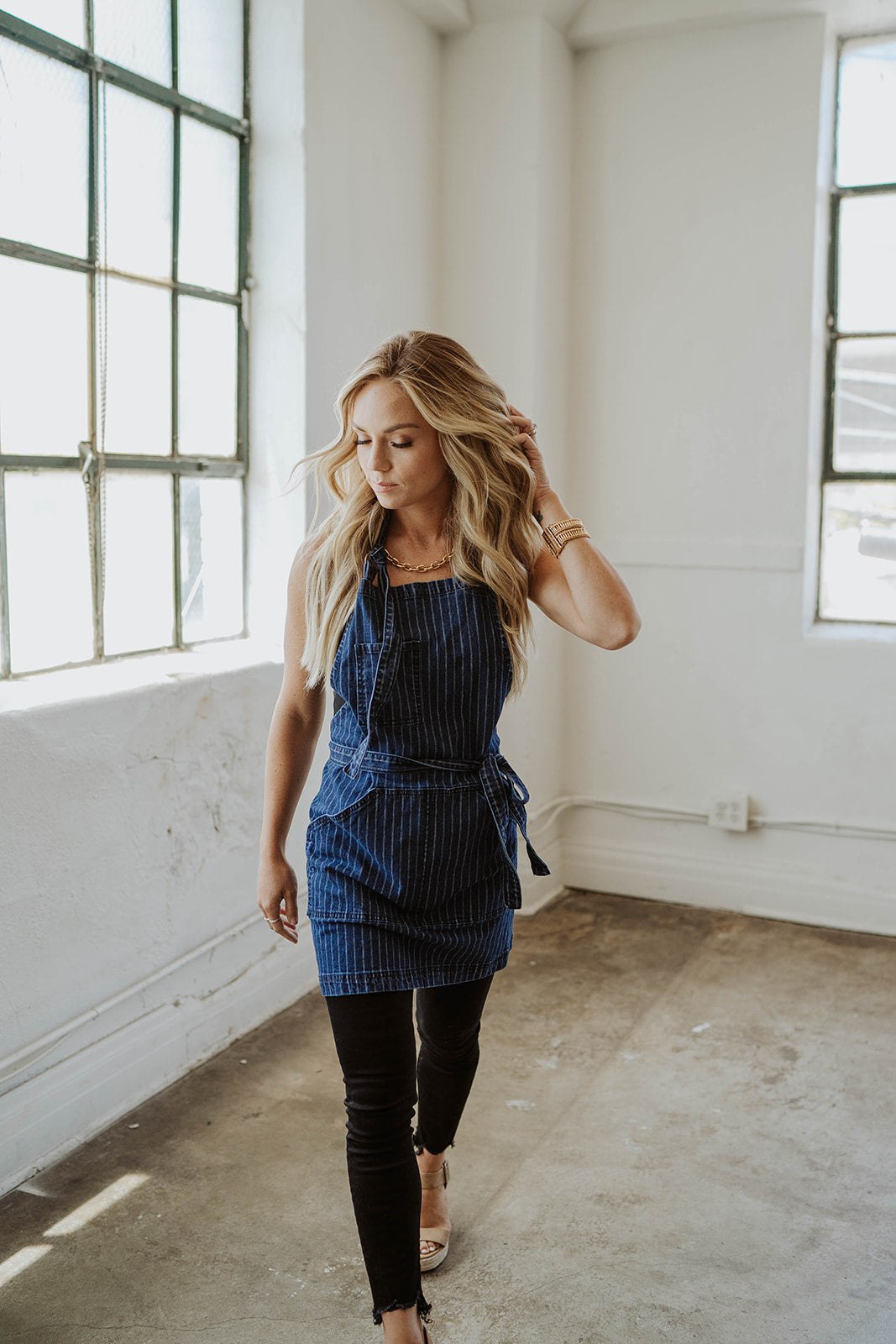
```

Leave a comment
This site is protected by hCaptcha and the hCaptcha Privacy Policy and Terms of Service apply.